


Temporal Botox
Temporomandibular muscle Botox

Smooth your facial profile without surgery
Temporomandibular muscle Botox
Temporal Botox
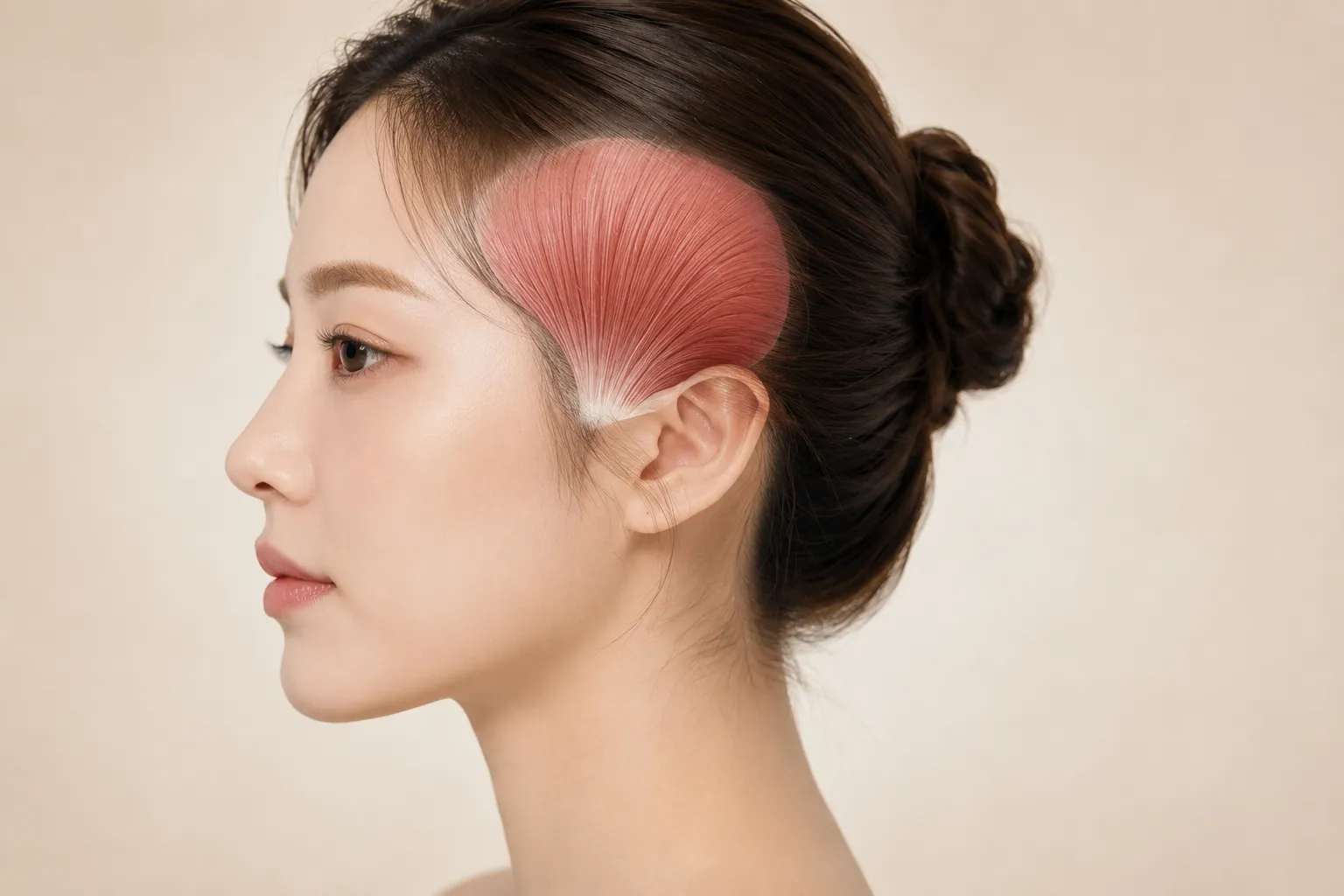
Temporalis Botox is a treatment that reduces the size of developed temporalis muscles by injecting botulinum toxin into the muscles responsible for the bulging temple area. If muscle is the reason the upper part of your face appears wide, your profile can be altered without surgery.
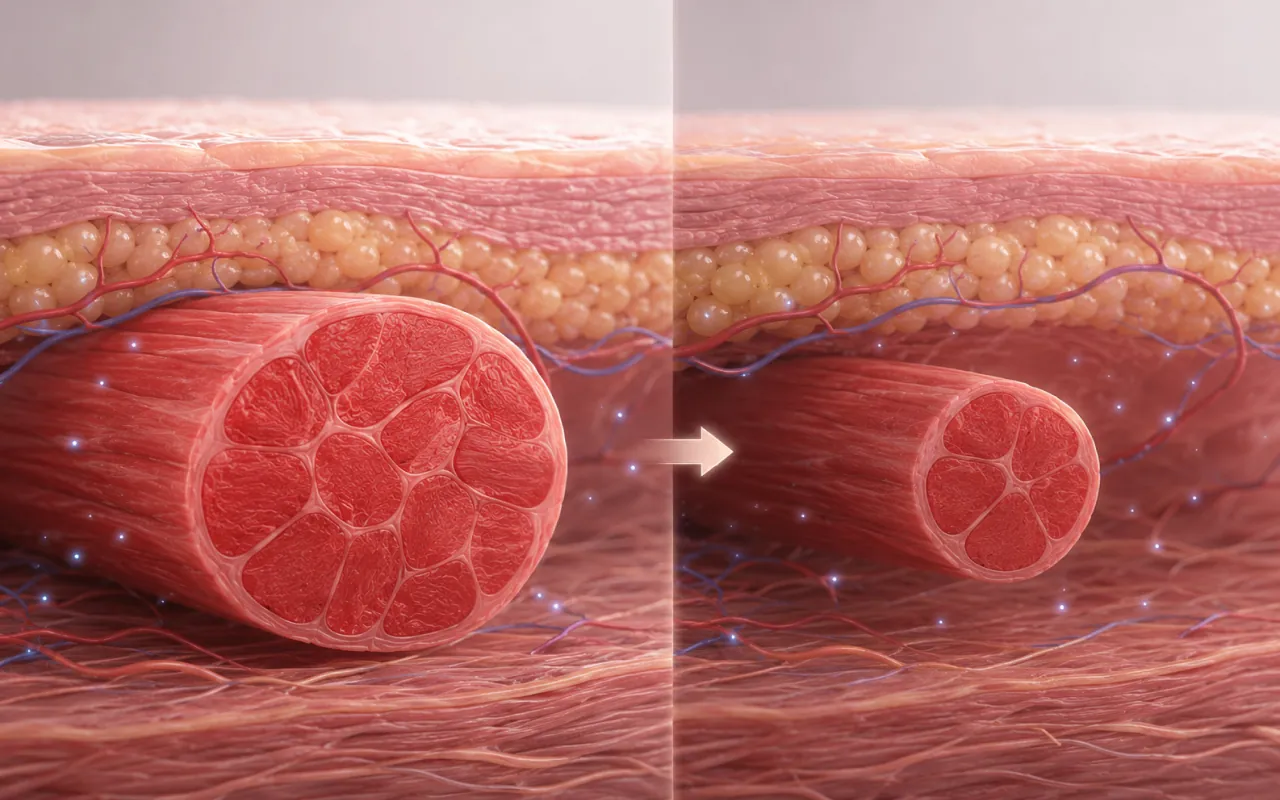
The temporalis muscle, along with the masseter muscle, is a masticatory muscle used when chewing food, so it enlarges significantly if you have a habit of grinding or clenching your teeth. When toxins weaken nerve signals, the muscle gradually shrinks, making the side line extending from the temple smooth.
The treatment takes less than 10 minutes, and with virtually no recovery time, you can receive it comfortably even on busy days. Receiving treatments at regular intervals slows down muscle regrowth, helping the slimmed-down lines last longer.
Why Temporal Botox
The upper part of the face looks wide
It could be due to muscles.
The temples are bulging because the temporalis muscle is developed.
Temporalis Botox is injected only into the temporalis muscle to smooth the side profile without surgery.
Point 01
Without surgery,
Reduces muscle size
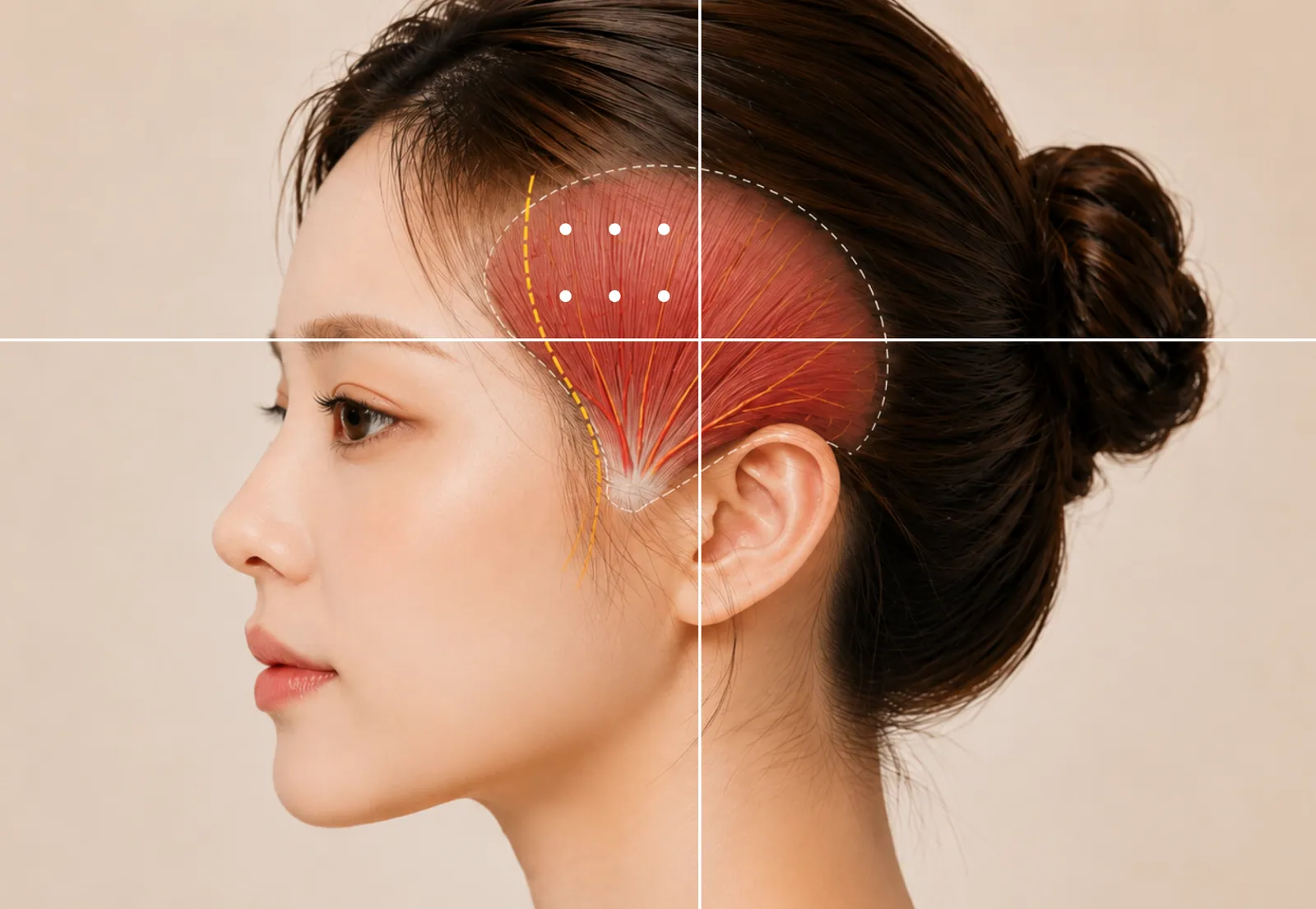
The temporalis muscle is a masticatory muscle that extends in a fan shape from the temples to the sides of the head. If this muscle enlarges due to habits of grinding or clenching teeth, the temples become bulging, and the upper part of the face appears wider. Temporalis Botox relaxes the strength of this muscle, making it less used and causing the muscle to gradually shrink.
- Improve facial profile with injections only, without incisions or surgery.
- Reducing the volume of the temporalis muscle enlarged by teeth grinding and clenching
- If you get it again, the muscles grow slowly, so the effect lasts longer.
Point 02
Depending on where and how deep it is placed
The results will change.
The superficial temporal artery and sensory nerves pass through the temporalis muscle area. To minimize bruising and pain, injections must be placed while avoiding the path of these blood vessels. Since the muscle is spread out widely in a fan shape, injections must be divided into multiple locations to ensure the line shrinks evenly.
-
Injection depth — Muscle layer beneath the fascia
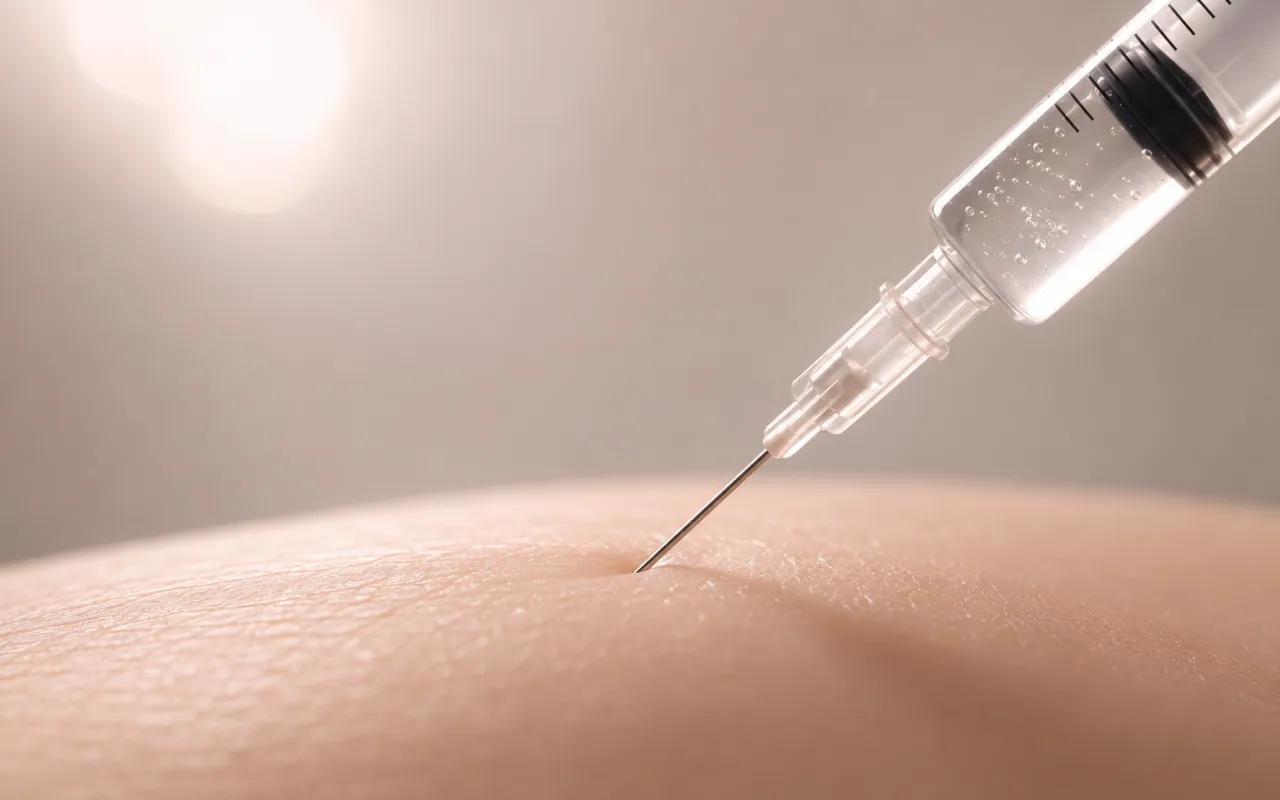
Inject into the muscle layer beneath the temporalis fascia to ensure the medication reaches only the muscle.
-
Injection site — Dispersed injection avoiding blood vessels
Confirm the course of the superficial temporal artery and distribute the injections to multiple points, centering on the area that becomes most convex when the molars are bitten.
-
Dosage adjustment — Unit tailored to temporalis muscle thickness
If the dosage is too high, the temples may sink, so the dosage is divided and adjusted according to the thickness and difference between the left and right sides confirmed by palpation.
How It Works
Mechanism of action of temporalis muscle Botox
It becomes convex when you bite your molars
Precisely inject toxin into the temporalis muscle
The nerve signals going to the muscles have weakened
Reduced use of the temporalis muscle
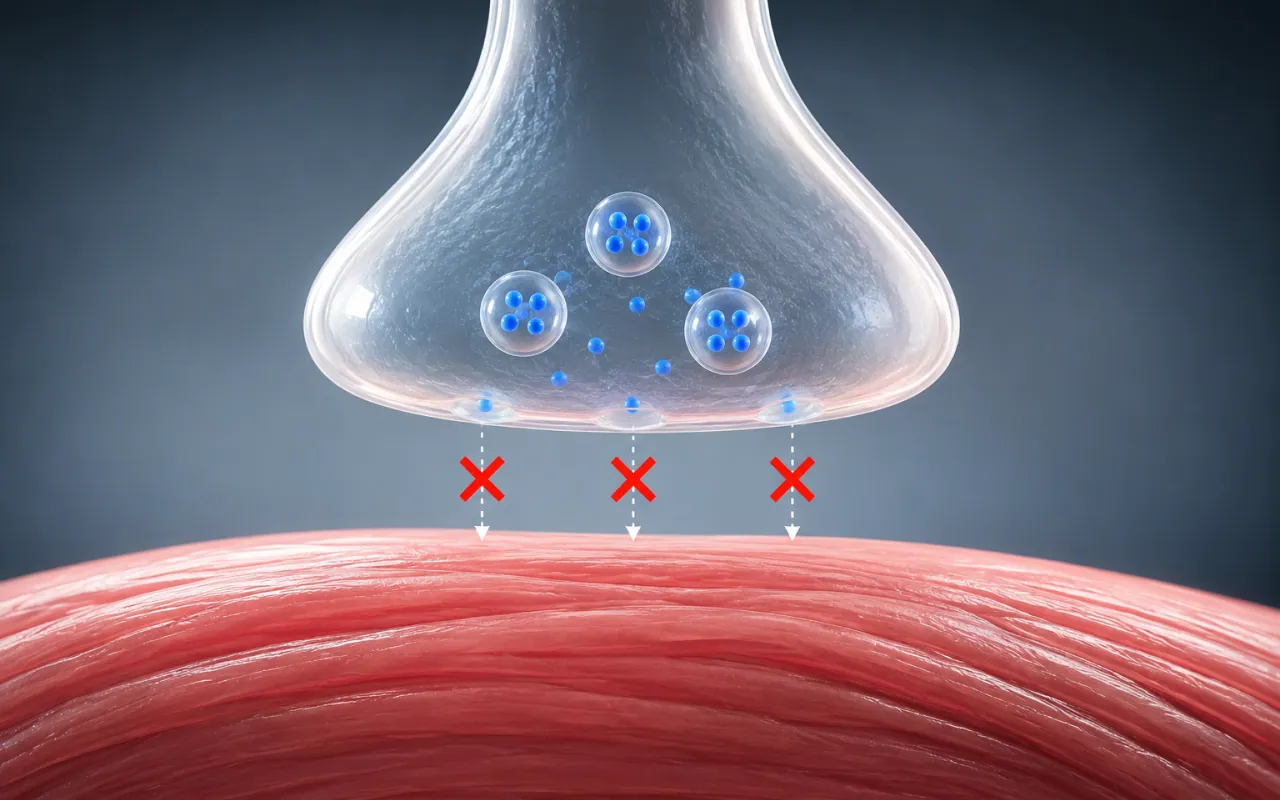
As the muscles gradually shrink
The temple line became smooth.
Self Check
Temporomandibular muscle development self-assessment
If you meet the criteria below, it is highly likely that your temporalis muscle is developed.
In such cases, it can be improved with temporalis muscle Botox.
Recommended For
I recommend this to people like this.

With convex temples
People whose upper faces look wide

teeth grinding, teeth clenching
People with habits

When you clench your molars, your temples
A firm and convex texture

Smooth without surgery
For those who want a better side profile
Doctor's Column
Treatment Stories written personally by the Director
This is a text written directly by the Director who actually performs this treatment , detailing the principles and standards.

How does Botox resistance develop?
Things to check when you feel the effect is diminishing
Chief Director Seo Min-ho | EPISODE CLINIC

Differences Between Botox Products: What Are the Differences?
Comparison of Hutox, Coretox, Xeomin, Dysport, and Botox
Chief Director Seo Min-ho | EPISODE CLINIC
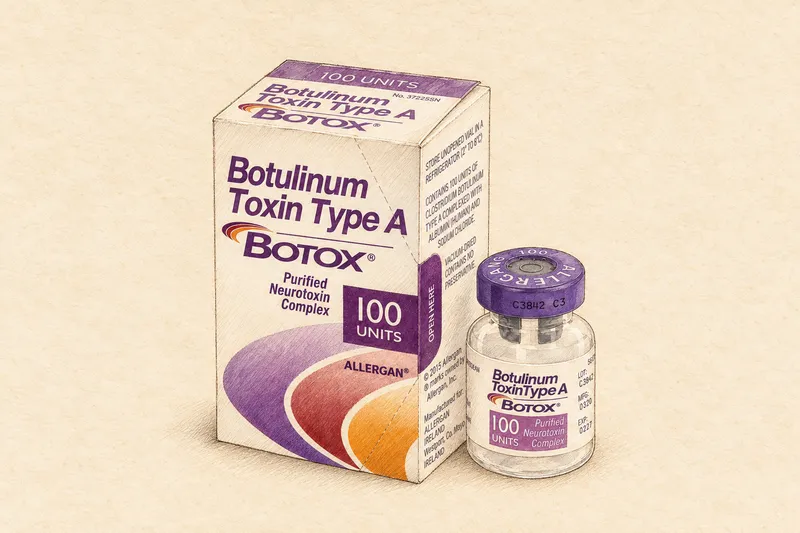
The reason why Botox (Botulinum Toxin) treatment is most recommended
The most basic cosmetic treatment
Chief Director Seo Min-ho | EPISODE CLINIC
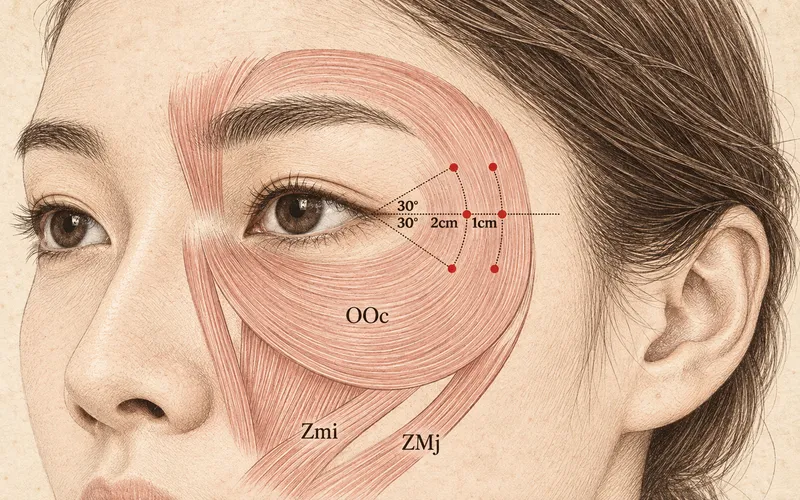
Deep Dive into Botox
Why do you have to decide on the design and capacity before getting the shot?
Chief Director Seo Min-ho | EPISODE CLINIC
The Episode Difference
Why It's Different
Every process has its own reason for the EPISODE.
01
You need to know your skin condition accurately.
The treatment can be performed appropriately.
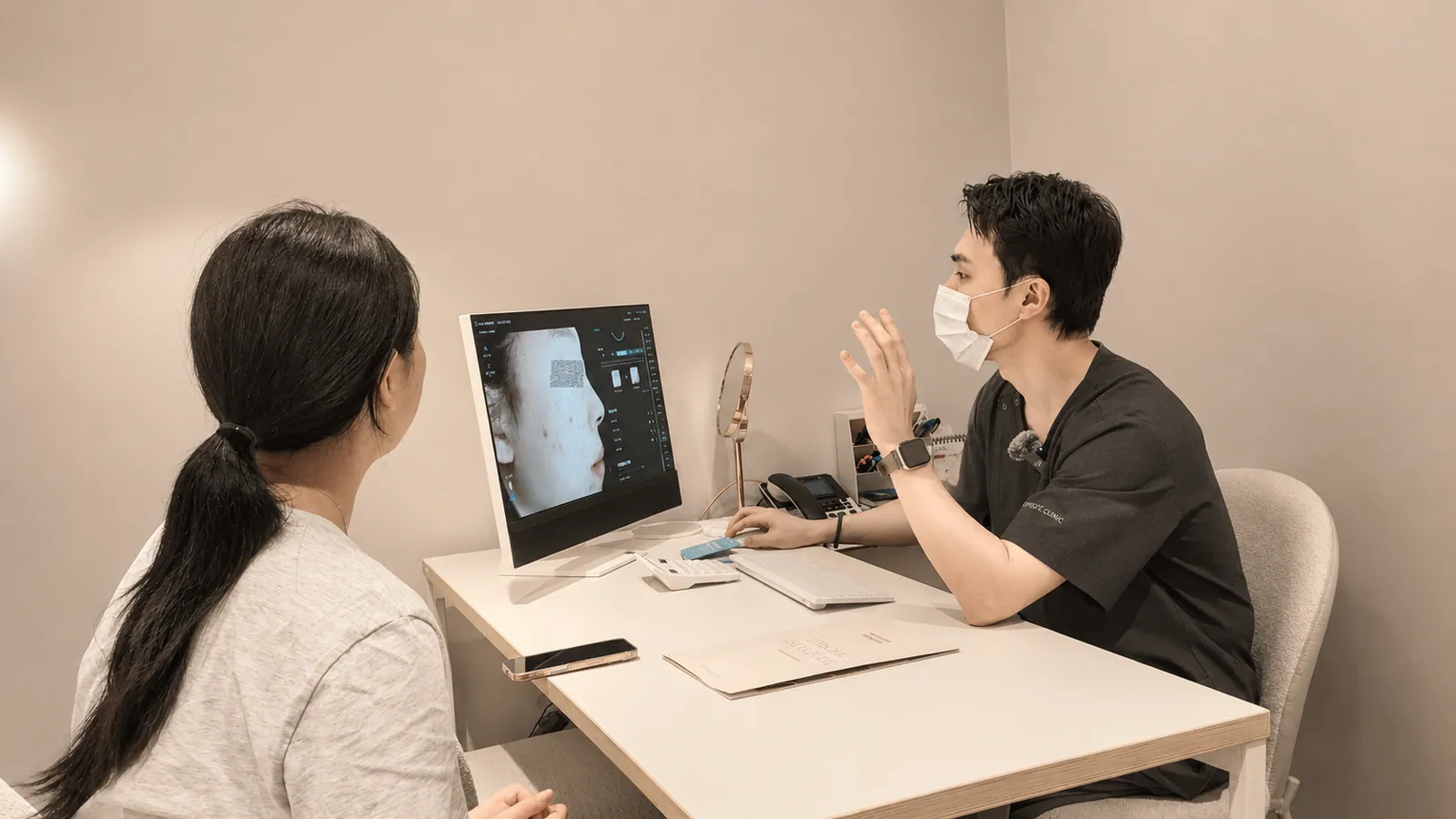
Through palpation and consultation prior to the treatment , the thickness of the temporalis muscle, the difference between the left and right sides, and chewing habits are checked, and First, determine if it is truly due to muscle, then decide on the injection dosage and location.
ANALYSIS02
The product and capacity used
I will show you right before your eyes.
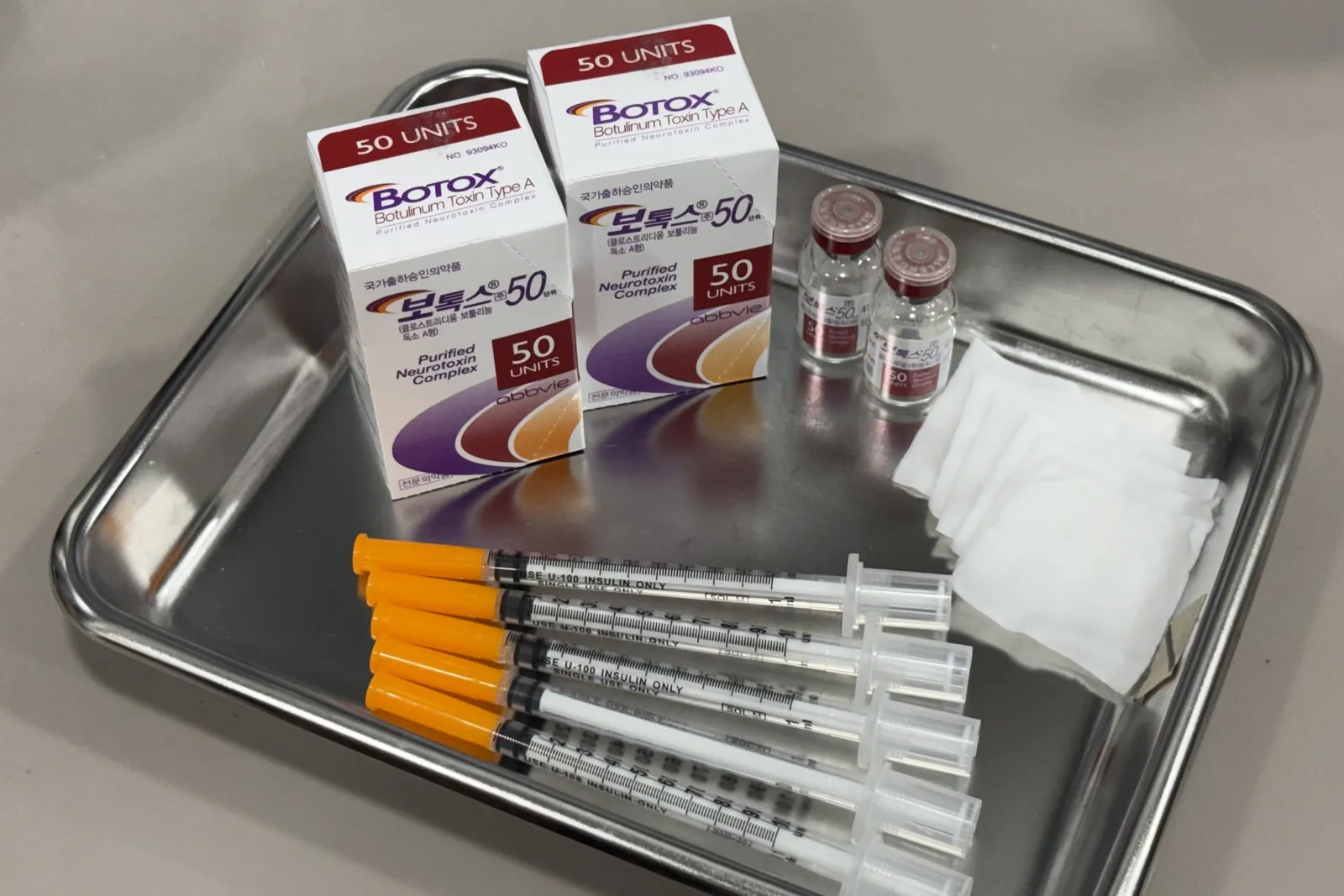
After confirming the Botox product to be used together before the treatment , prepare the medication, We will also let you know the capacity (unit) exactly as it is.
RELIABILITY03
If you keep a record
The changes are more visible.

Received treatment, remaining sessions, and skin changes in an online report Because it leaves a trace, there is a difference before and after the treatment . You can verify this in the records.
RECORDSLoading treatment information.
Loading treatment information.