



"I've been getting Botox for so long that it doesn't seem to work well anymore."
In the previous post, while comparing the differences between Botox products, I briefly mentioned complex proteins and resistance.
Since this is a question I get asked more often than expected in consultations, today Botox resistanceI am going to try organizing just that separately.
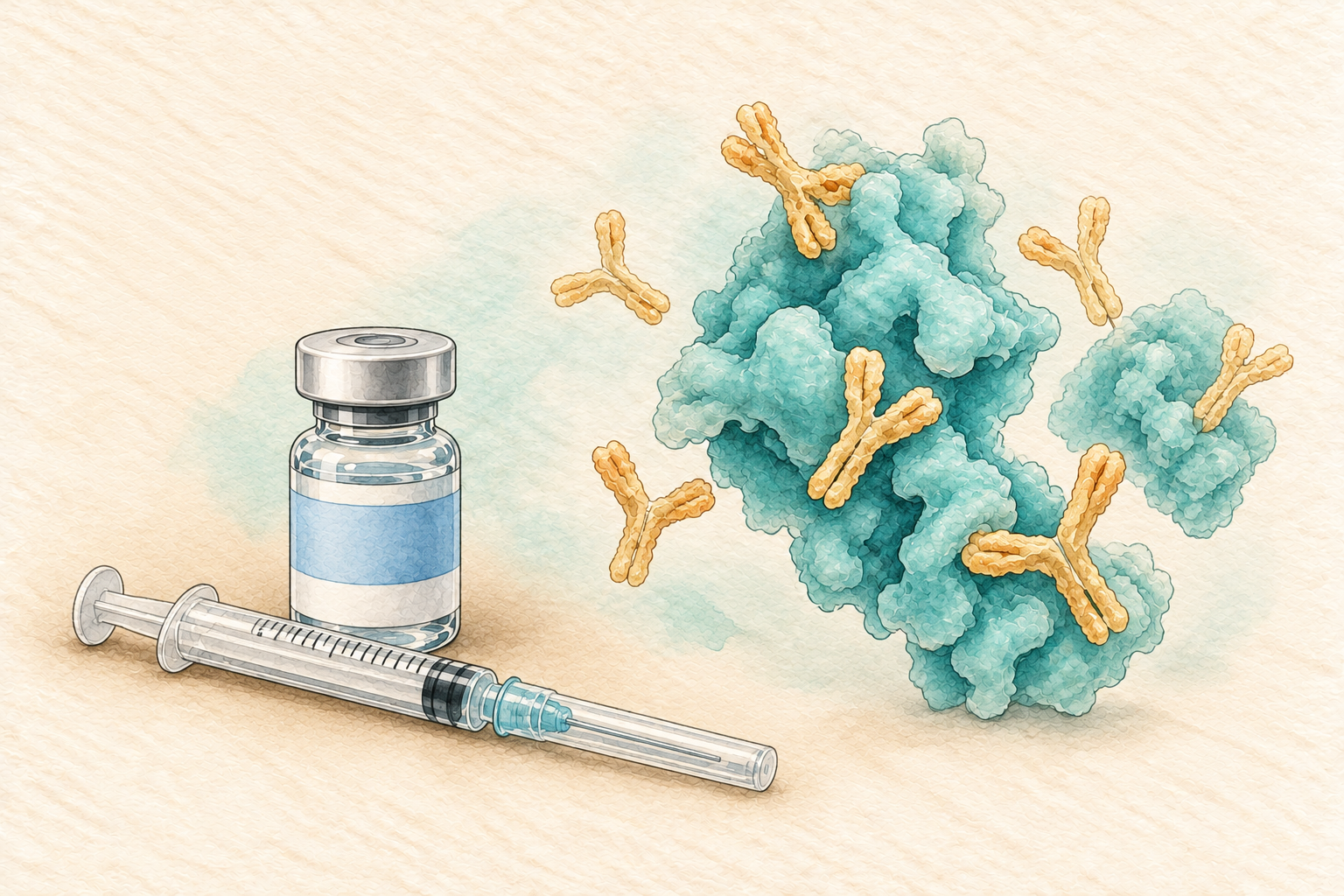 The 'protein' that enters my body has the potential to develop resistance at any time..!
1. What is Botox resistance?
Since Botox is a protein, our body rarely recognizes it as a foreign substance antibodiesYou can make.
If this antibody binds to the neurotoxin, it cannot penetrate to the nerve endings, so the effect is weakened or does not appear even with the same dose.
This is commonly Botox resistanceIt is called.
It is rare for it to be ineffective from the start; in most cases, it works well for a while but then weakens at some point.
2. How common is it?
To start with the conclusion, for cosmetic purposes It is rare.
In a review that aggregated and analyzed several studies, the antibody formation rate was approximately 1–2.1% overall, and there were no distinct differences between products.
Antibodies have primarily appeared in the treatment of muscle disorders involving high doses and prolonged repetitive use, and have rarely been reported for hyperhidrosis or cosmetic purposes.
However, there is also an opinion that the number of reported cases may be lower than the actual number due to the increase in cosmetic procedures.
So I have resistance Rare but risky problems that vary depending on habitsI will explain it as follows.
3. What increases the risk of tolerance?
The recurring risk factors in studies are the single dose, the interval between procedures and booster injections, and the accumulated dose and frequency.
The more you receive at once, the more frequently, and the longer you are injected, the more opportunities your body has to come into contact with Botox.
This is why those who undergo repeated high-volume procedures for a long time, such as for square jaw or trapezius muscles, need to be mindful of resistance.
4. The point at which you get hit again is after the effect wears off.
The effect of Botox peaks around 2 weeks after injection and gradually returns over 3 to 6 months.
It is recommended to receive Botox again after the effects have fully worn off.
It is not recommended to inject frequently at short intervals.
5. Is a product without complex proteins okay?
In the previous post, I mentioned that Xeomin and Coretox are products from which complex proteins have been removed.
The manufacturer explains that since complex proteins can assist the immune response, removing them can lower the likelihood of antibody formation.
However, there are also studies showing that, as in the previous review, there was no distinct difference in antibody formation rates between products.
Therefore, for high-volume, long-term procedures, I recommend products without complex proteins as an option, and before that, Capacity and intervalIt emphasizes protecting.
6. A decrease in effectiveness does not necessarily mean tolerance.
When I see people who come in saying, "I think I've developed a resistance," there are often other reasons.
Even in a study of 503 patients with reduced efficacy, antibodies were confirmed in less than half.
In particular, regarding square jaws, as mentioned in the post about square jaw Botox, the effect may feel weaker because the upper muscles enlarge compensatorily after the lower muscles shrink.
So, the previous Procedure recordsThis is important.
You need to know how many units were put where to compare what has changed this time.
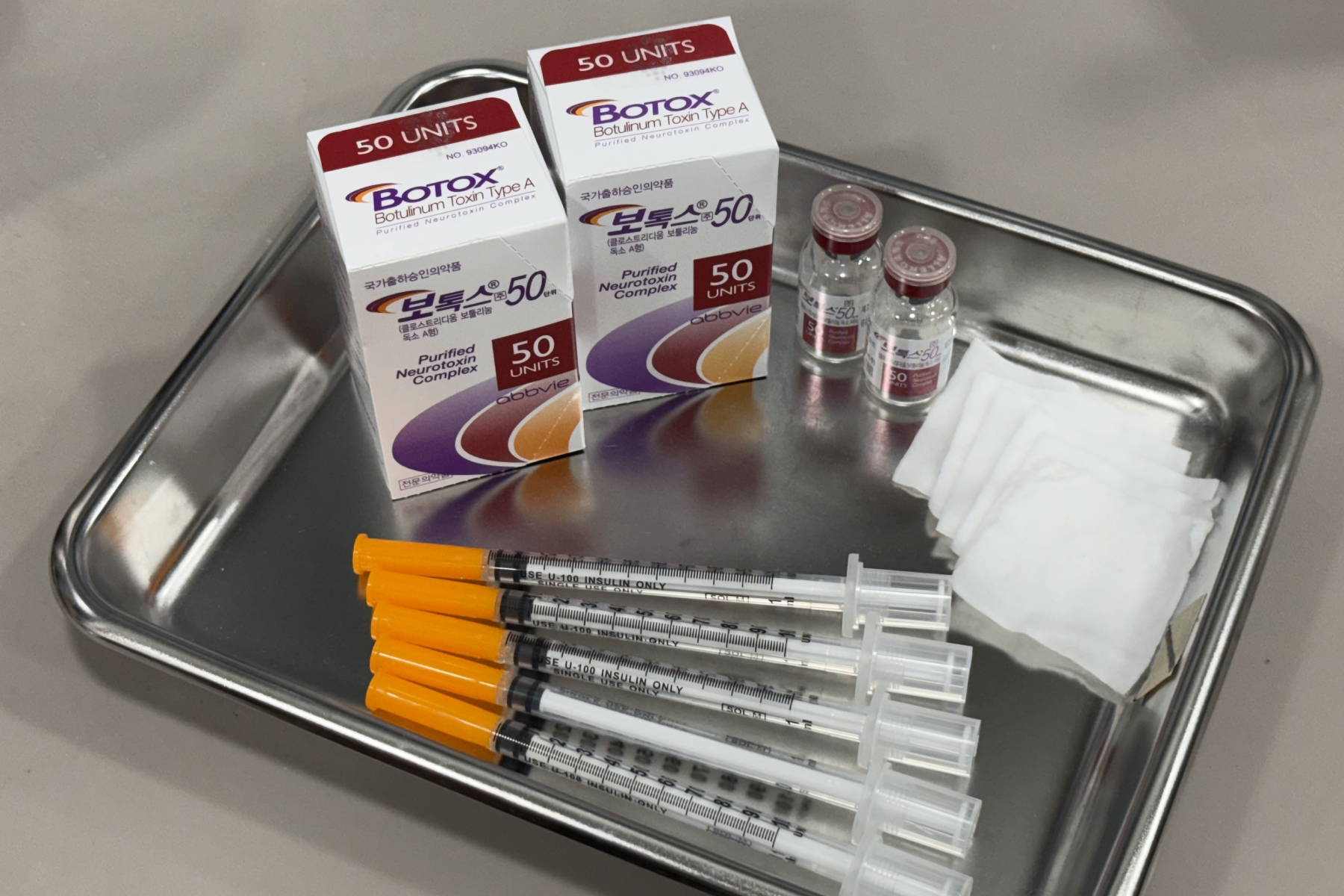 Checking the Botox product and dosage right before your eyes before the procedure
7. If resistance is suspected
There is a method to check the reaction by applying a small amount to only one side of the forehead or eyebrow.
If there is no difference in movement between both sides even after injecting it into only one side, you can suspect antibodies.
Since antibodies can react identically with the same type A toxins, simply changing the product often does not resolve the issue.
In such cases, we allow sufficient time between treatments and discuss other methods that are suitable for your current concerns.
8. In conclusion..
To summarize, it is as follows.
Botox resistance means that the body produces antibodies, causing the effect to weaken.
The more, more frequently, and for longer periods you are hit at once, the higher the relative risk.
Please take it again after the effect has fully worn off.
Even if you feel that the effect has decreased, it is often due to other reasons such as dosage, muscle changes, design, or product changes.
This has been Seo Min-ho. Thank you for reading!!