



Hello, this is Lee Jae-hee, the Director of EPISODE CLINIC.
This article summarizes the procedure for the sleep anesthesia treatment in EPISODE, covering fasting time, checking medications and conditions, the order of the day, observations during the treatment, and criteria for recovery and discharge.

In Part 1, I explained how sedation anesthesia differs from general anesthesia and what medications are used.
This second part is a true story. If you receive a sleep treatment in the EPISODE From reservation to return home I will write down the order in which the procedure will proceed and what the patient needs to prepare, in order.
The questions frequently heard in the counseling room are like this.
How many hours do I have to fast?
Can I take my blood pressure medication before coming?
Can I go alone after this?
If you read this article before coming, you will be much less confused on the day.
1. First, determine if the treatment requires sedation.
General anesthesia is not used for all treatment. The EPISODE is Anesthetic cream, local anesthesia, pain relief IV drip, sedation anesthesia We prepare four options and determine the best one based on the type of treatment and the patient's usual level of pain.
For treatment with low pain levels, such as toning and Skin Botox, anesthetic cream is sufficient. There is no reason to use sedation for these treatment.
on the other way ULTHERA, THERMAGEtreatment that involve deep heat penetration, like this, or thread liftingFor treatment that are time-consuming and involve significant stimulation, sedation is recommended. Rejuran is a pain level 5 procedure, sedation is recommended for those who find it difficult even with anesthetic cream.
| Anesthetic cream | local anesthesia | Pain relief IV drip | sleep anesthesia | |
|---|---|---|---|---|
| method | Apply and wait 30 minutes | injection | Intravenous IV drip | intravenous injection |
| consciousness | Awake | Awake | Awake, comfortable | asleep |
| preparation | doesn't exist | doesn't exist | doesn't exist | abstinence |
| Suitable treatment | Pain 1~2 | Pain 3 | Pain 3 | Pain 4~5, long treatment |
Sometimes, some people say, "I'll just endure it," but the goal is not to simply bear the pain. When you are in pain, your body tenses up and moves, which makes it difficult for the Director performing the treatment to insert the needle accurately at the desired depth and location.
It is better for the results if you receive the treatment comfortably. Therefore, if sedation is suitable for the treatment, I recommend it from the start.
2. Things to Always Ask During a Consultation
If you decide to undergo general anesthesia, I will ask you a few detailed questions during the consultation.
The most important thing is The medicine you takeIt is. For blood pressure medication, diabetes medication, blood thinners, sleeping pills, and psychiatric medications, it would be helpful if you could provide the specific names of the drugs. For those who have taken sleeping pills or tranquilizers for a long time, the dosage is adjusted differently from the start because they do not fall asleep well with the same amount of medication.
The following is sleep apneaFor those with severe snoring or a diagnosis of sleep apnea, the airway can easily become blocked during sleep, so medication is administered more shallowly and breathing is monitored more frequently. The same applies to heart and lung diseases; knowing about them in advance makes a difference in preparation.
| medication | Blood pressure medication, diabetes medication, anticoagulants, sleeping pills, psychiatric medication |
| disease | Sleep apnea, heart, lungs, liver, kidneys |
| allergy | Medicine, eggs, beans |
| anesthesia experience | Previous problems with sedation and general anesthesia |
| besides | Pregnancy risk, smoking, alcohol consumption, weight change |
I would also like to ask about allergies. Propofol contains egg and soy ingredients, so those with severe allergies are switched to a different medication.
In addition, since you may have a genetic allergy to the drug itself, we also ask about your experience during previous sedation or general anesthesia.
Please be sure to let me know if you have previously experienced severe nausea, difficulty waking up, or, conversely, waking up in the middle of the procedure when receiving anesthesia.
That record becomes the starting point of anesthesia.
3. Fasting, from how many hours should I stop eating?
This is the most frequently asked question. The criteria are You may start eating 8 hours before the treatment, and drinking water 2 hours before. It is to cut it off.
If the treatment is at 10:00 AM, please do not eat after 2:00 AM, and you may drink plain water until 8:00 PM. Chewing gum, candy, and milk are considered food.
The reason for fasting is that swallowing and coughing reflexes weaken while asleep. If there is food in the stomach, it can rise and enter the airway, potentially causing aspiration pneumonia. This is the situation that must be avoided most during sedation anesthesia.
Therefore, you must strictly observe the fasting even if it is inconvenient.
| Usually medicine | Take with a small amount of water; diabetes medication will be determined during the consultation. |
| Reason for fasting | Preventing vomiting and airway aspiration while asleep |
The blood pressure medication you usually take is Please drink a small amount of water before coming.Since diabetes medication can cause hypoglycemia during fasting, the procedure is determined separately during the consultation depending on the type of medication.
If you were unable to observe the fasting period, please be honest with me. I will determine whether postponing the treatment for that day is the right decision. Hiding it and proceeding is the most dangerous approach.
4. On the day, from arrival until falling asleep
When you arrive, after the reception Blood pressure, pulse, oxygen saturationMeasure it first. If it is significantly different from usual, find the reason and postpone the treatment if necessary.
Then, on the hand or arm intravenous injection lineIt holds the tube. This is the pathway for the medication, and it is used to increase or decrease the dosage during the treatment.
When you lie down in the treatment room, an oxygen saturation sensor is placed on your finger, an electrocardiogram patch is attached to chest, and oxygen is administered through your nose. Then, medication is injected. You usually fall asleep within 30 seconds to 1 minute.
It is best to wear comfortable clothes when you come. If you are coming for a facial treatment, it is more comfortable to remove your makeup. Please remove your contact lenses, earrings, and necklace as well.
If you bring a list of the medications you are taking, even just a photo, the consultation will be much faster.
5. What is the doctor looking at during the treatment ?
During the treatment Oxygen saturation, electrocardiogram, blood pressureThis remains displayed on the screen, and the doctor performing the treatment proceeds while monitoring the numbers and the rise and fall of the chest. When the alarm sounds, the treatment is stopped, and breathing is checked first.
Oxygen, airway maintenance devices, and emergency medications are always kept ready in the treatment room. Although they are rarely used, general anesthesia is never performed without them.
During the treatment, the medication is not administered all at once but is adjusted according to the stimulation. A slightly larger amount is administered during moments of high stimulation, such as when inserting threads, and the dosage is reduced when the stimulation is low or as the treatment nears completion.
So, by the time the treatment is finished, most of the medication has worn off, so they open their eyes almost as soon as it ends.
6. Recovery and Return Home
Once you wake up, move to the recovery room. 20 to 30 minutes Take a rest for a while. During this time, check blood pressure and oxygen saturation again, and ask if there is any nausea.
There are various criteria for evaluating discharge, and typically, activity level, respiration, circulation, consciousness, and oxygen saturation are assessed; discharge is determined when a certain score is achieved or higher.
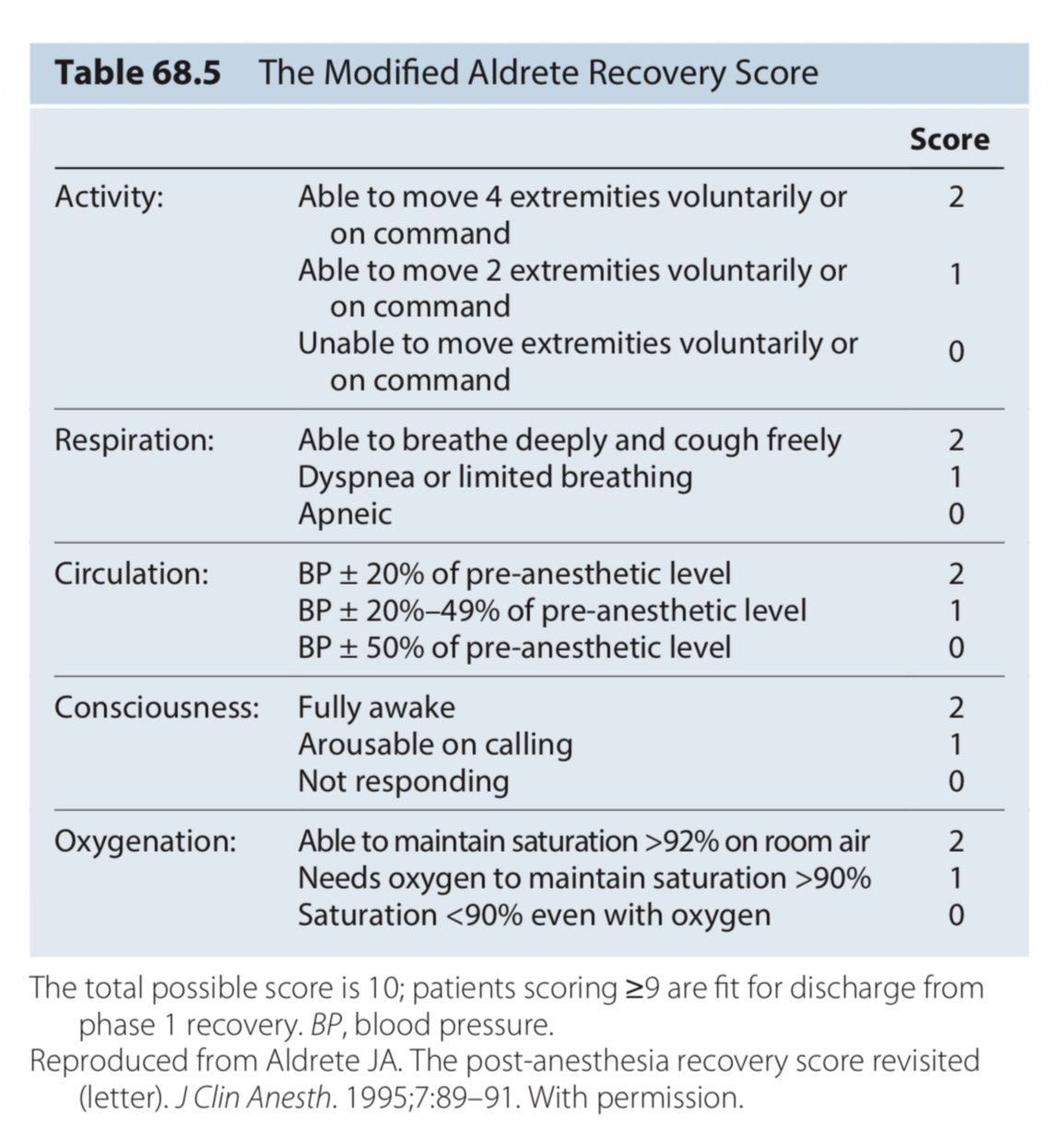
Simply put, the decision to discharge is made by evaluating whether the patient can walk straight, breathe, monitor function, and converse normally.
| recovery room | Return home criteria | day | |
|---|---|---|---|
| hour | 20~30 minutes | After checking | Rest at home |
| check | Blood pressure, oxygen, nausea | Walking upright, talking, no dizziness | Driving ×, Alcohol × |
| companion | For long distances, guardian recommendation | Important Decision × |
On the day You must not drive.Even if it seems like the medication has worn off, your reaction speed is slower than usual. Please avoid alcohol on the same day, and it is advisable to postpone any important contracts or decisions until the next day.
If you are coming from far away or find public transportation inconvenient, we recommend coming with a guardian. If you live nearby, you may go alone by taxi, but those receiving sedation anesthesia for the first time will feel more at ease having someone accompany them.
7. Conclusion
To summarize, there are three things you need to prepare: inform us of any medications you are taking and any medical conditions in advance, observe the fasting schedule, and refrain from driving on the day.
We will take care of the rest.
In the next Part 3, I will answer frequently asked questions one by one, such as "Isn't propofol addictive?", "I have diabetes, is it okay?", and "I am pregnant."
Thank you for reading.