


Salivary Gland Botox
salivary gland Botox

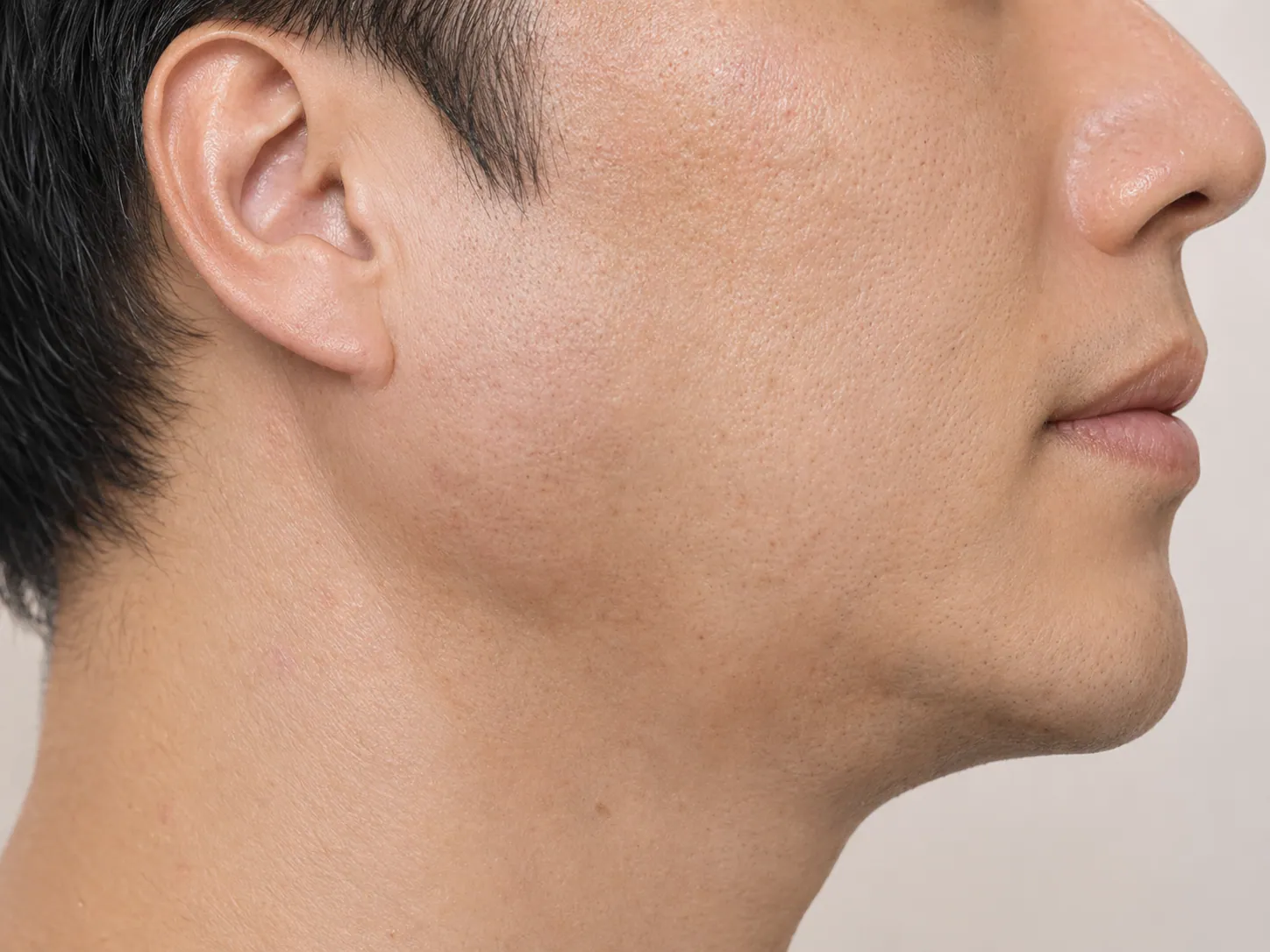
A convex jawline may be due to salivary glands.
salivary gland Botox
Salivary Gland Botox
Salivary gland Botox is a treatment that gradually reduces the size of enlarged salivary glands (parotid and submandibular glands) by injecting botulinum toxin into the glands that cause bulging below the ears and under the jaw. If the salivary glands are the reason your lower face appears wide, you can expect a change in your facial contours without surgery.
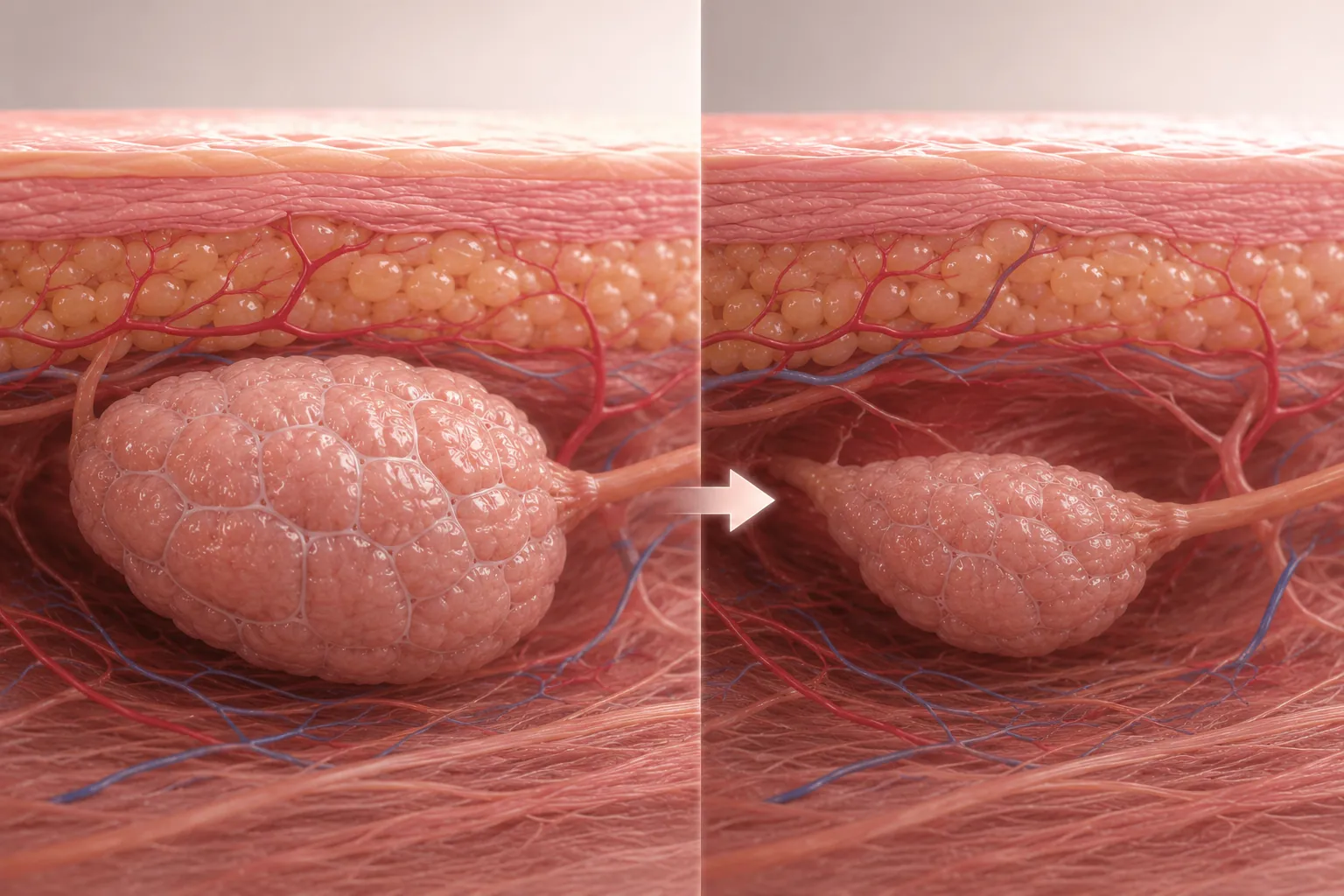
When toxins reduce the secretion signals going to the salivary glands, the glands work less, and over time, the size of the salivary glands decreases, making the line from below the ears to the jawline smoother .
The treatment is short, taking less than 10 minutes, and requires minimal recovery, so you can comfortably receive it even during your daily activities. If the remaining bulge after receiving Jaw Botox is due to the salivary glands, the lines can become more distinct when salivary gland Botox is injected at the same time.
Why Salivary Gland Botox
Another cause of a double chin on the side is
It is an enlarged salivary gland.
The lump-like protrusions below the ears and under the chin
Fat dissolution treatment alone cannot solve the problem.
Point 01
Without surgery,
Reduces the size of the salivary glands.
The parotid and submandibular glands are organs that produce saliva. In some individuals, if these glands are significantly developed, the area below the ears and the jaw becomes bulging, making the lower face appear wider. Salivary gland Botox reduces the secretion signals sent to the salivary glands, causing the glands to work less and gradually shrinking their size.
- Improve the lower jawline with injections only, without incisions or surgery.
- Reduce the volume of enlarged parotid and submandibular glands
- Expect more pronounced line changes when combined with Jaw Botox.
Point 02
Depending on where and how deeply it is inserted
The results will change.
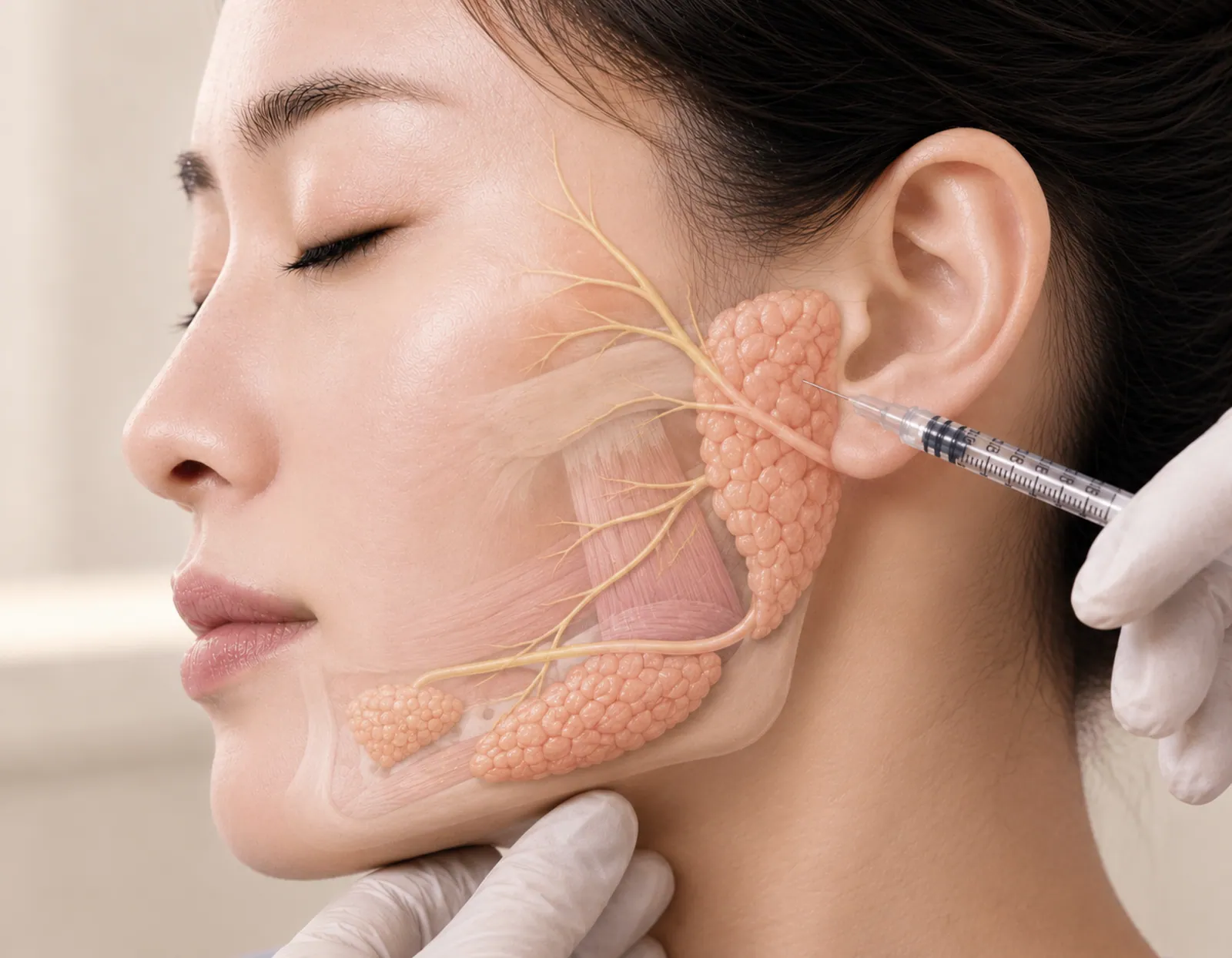
The masseter muscle and branches of the facial nerve that create facial expressions pass around the salivary glands. When you clench your molars, the parts that harden are muscles, while the parts that do not are salivary glands. After distinguishing the two by touch, It is injected precisely only within the salivary gland range.
-
Injection depth — salivary gland layer
It is injected into the salivary glands through the skin and muscles and acts only on the salivary glands.
-
Injection site — Salivary gland range confirmed by palpation
Inject into the center of the soft, convex salivary glands, avoiding the masseter muscle and facial muscles.
-
Volume adjustment — Unit tailored to salivary gland size
Divided and adjusted only as much as necessary based on the size difference between the left and right salivary glands.
How It Works
Mechanism of action of salivary gland Botox
Soft and squishy to the touch
Precisely inject toxin into the salivary glands
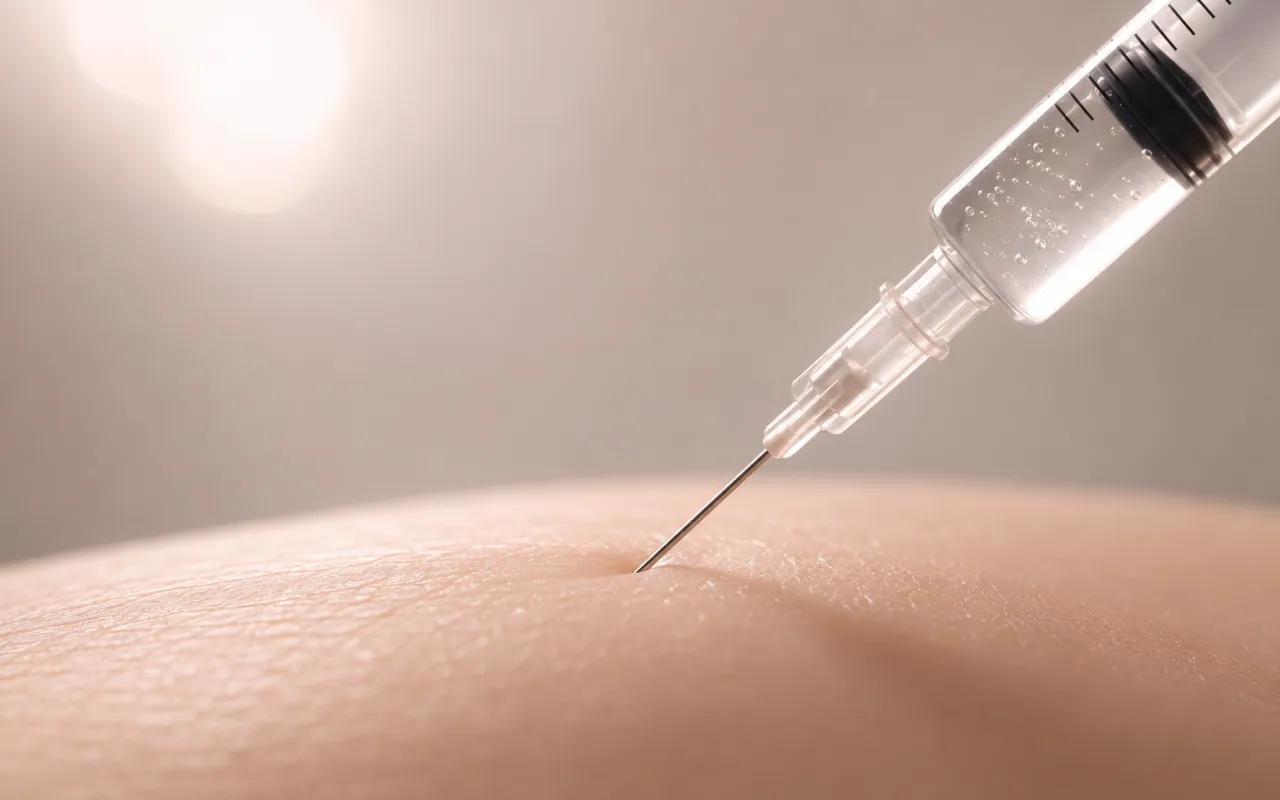
The secretion signal to the salivary glands weakens
Reduced salivary gland activity
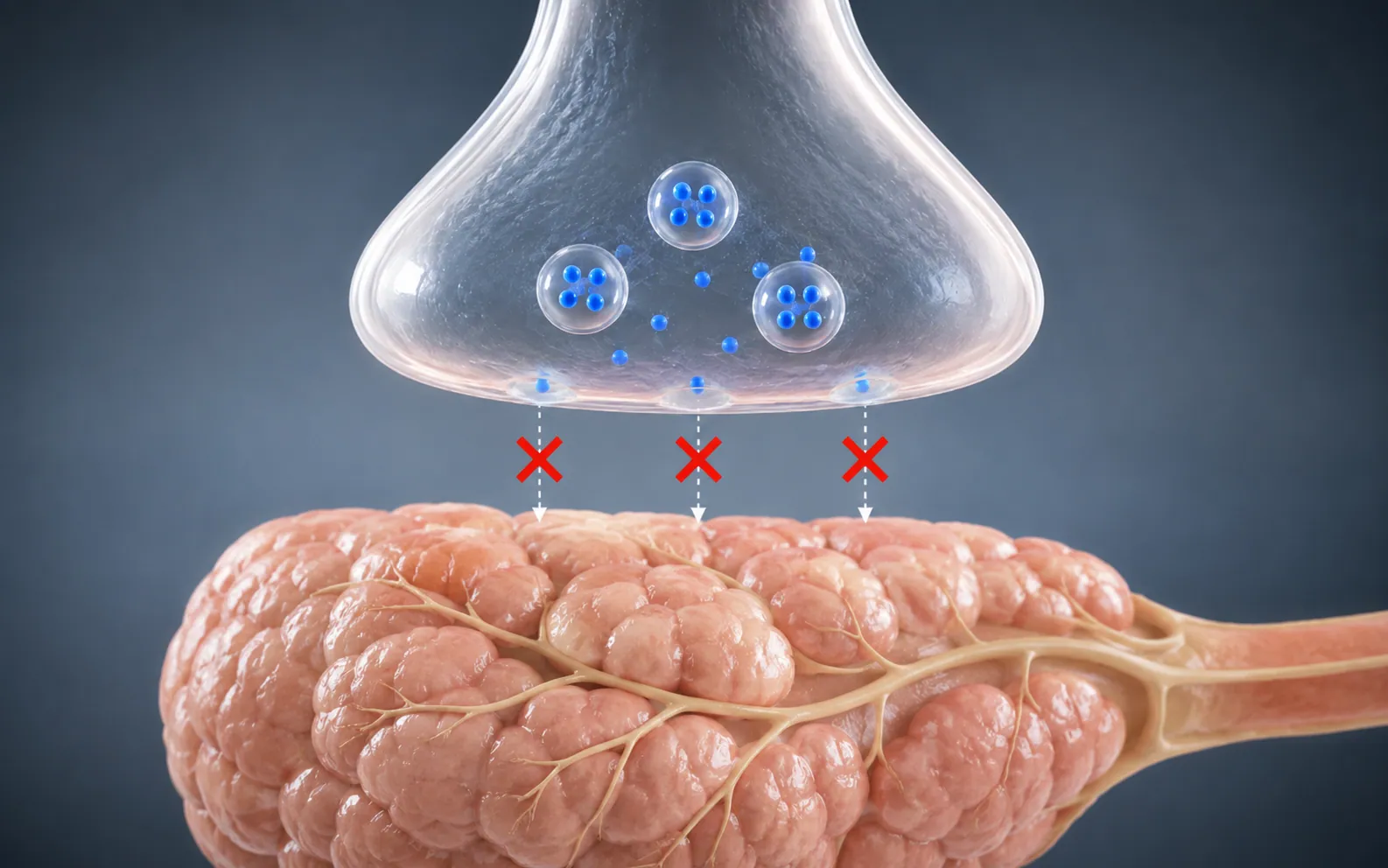
As the size of the salivary glands gradually decreases
The line below the ears and under the jaw becomes smoother.
Treatment Areas
Salivary gland Botox treatment site
Salivary gland Botox affects the lower jawline
Inject into two salivary glands.
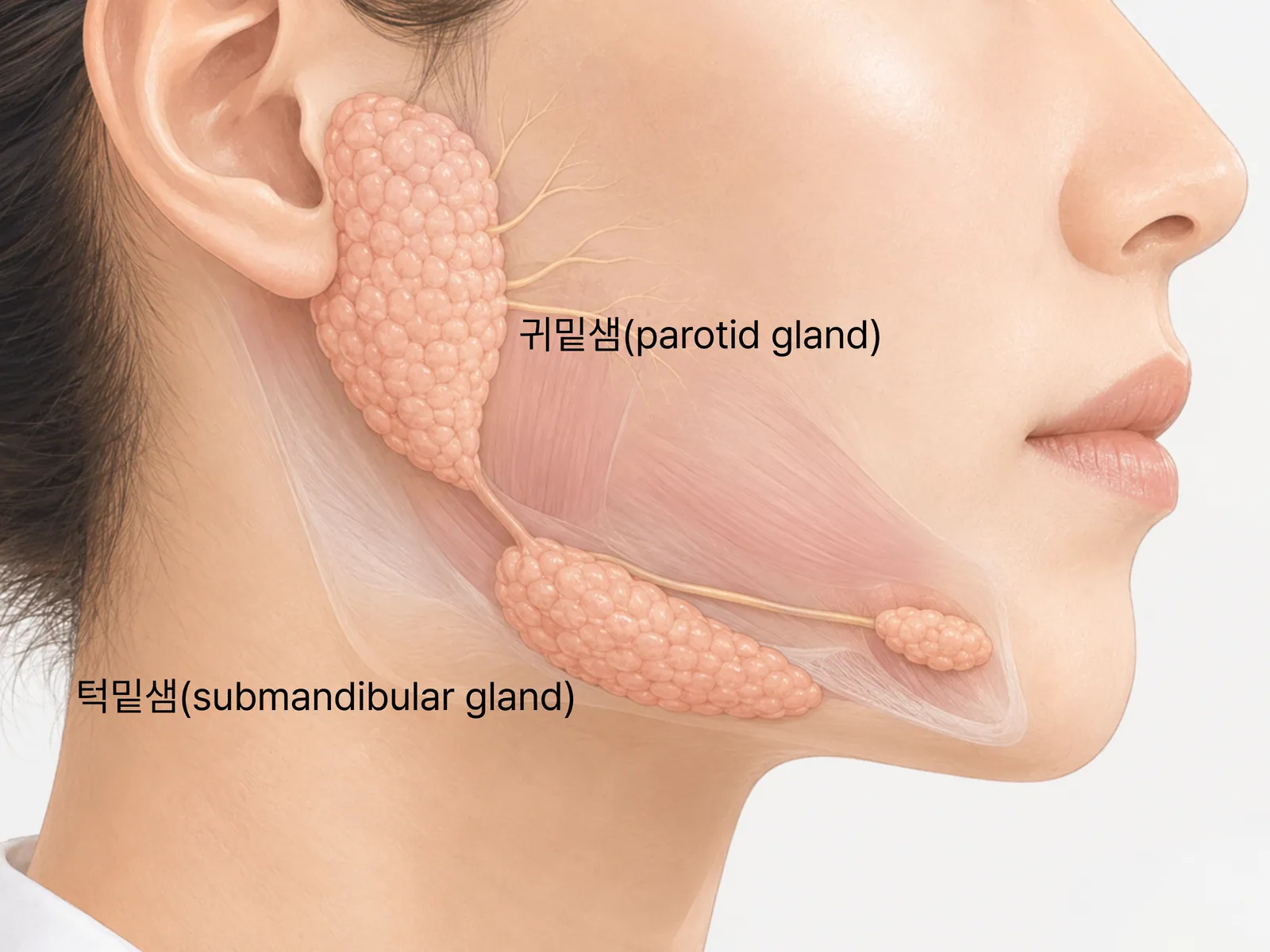
parotid gland
The largest salivary gland extending from below the ear to the back of the jaw. When developed, the area below the ear becomes bulging, making the lower face appear wider.
submandibular gland
Salivary glands located beneath the inner side of the jawbone. If they develop, the area under the chin bulges, which can make it look like a double chin.
Self Check
Self-diagnosis of salivary gland enlargement
If you meet the criteria below, it is highly likely that you have salivary gland enlargement.
You can expect improvement with salivary gland Botox.
Recommended For
I recommend this to people like this.
With the bulge below the ear
People with a wide lower face
Even after Jaw Botox
Those who still have a bulge
It does not harden even when clenching the molars
Those with a soft, convex shape

Smooth without surgery
Those who want a defined jawline
Doctor's Column
Treatment Stories written personally by the Director
This is a text written directly by the Director who actually performs this treatment , detailing the principles and standards.

Differences Between Botox Products: What Are the Differences?
Comparison of Hutox, Coretox, Xeomin, Dysport, and Botox
Chief Director Seo Min-ho | EPISODE CLINIC
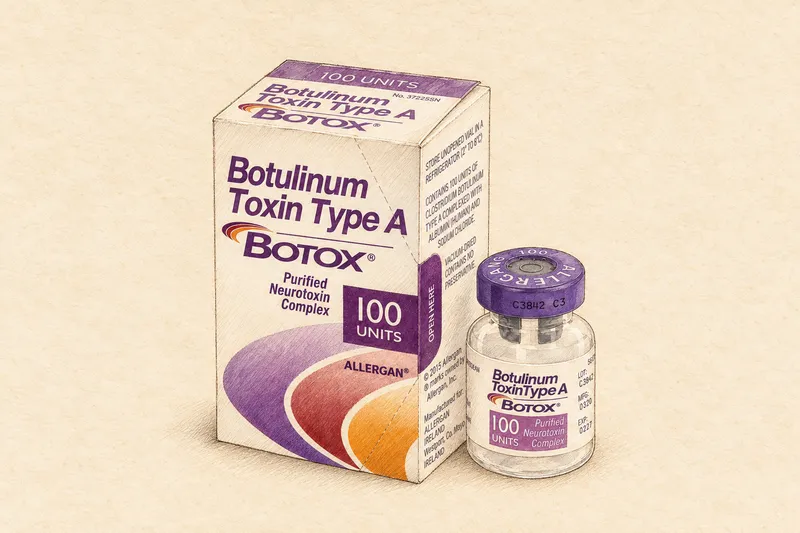
The reason why Botox (Botulinum Toxin) treatment is most recommended
The most basic cosmetic treatment
Chief Director Seo Min-ho | EPISODE CLINIC
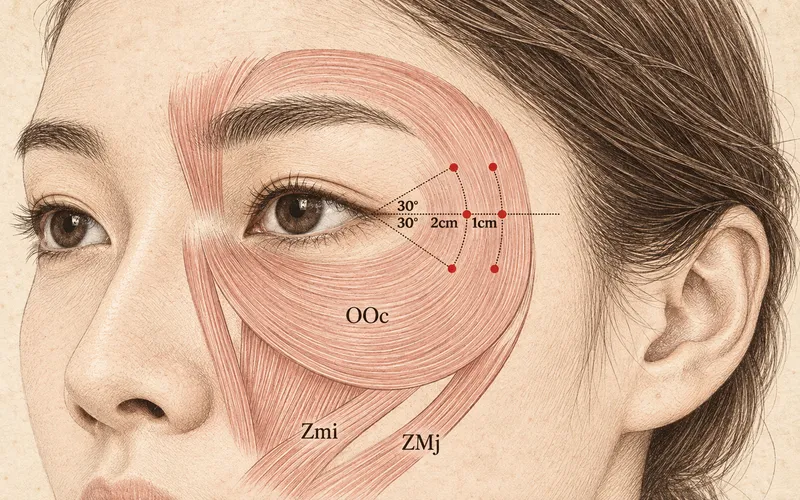
Deep Dive into Botox
Why do you have to decide on the design and capacity before getting the shot?
Chief Director Seo Min-ho | EPISODE CLINIC
The Episode Difference
Why It's Different
Every process has its own reason for the EPISODE.
01
You need to know your skin condition accurately.
The treatment can be performed appropriately.
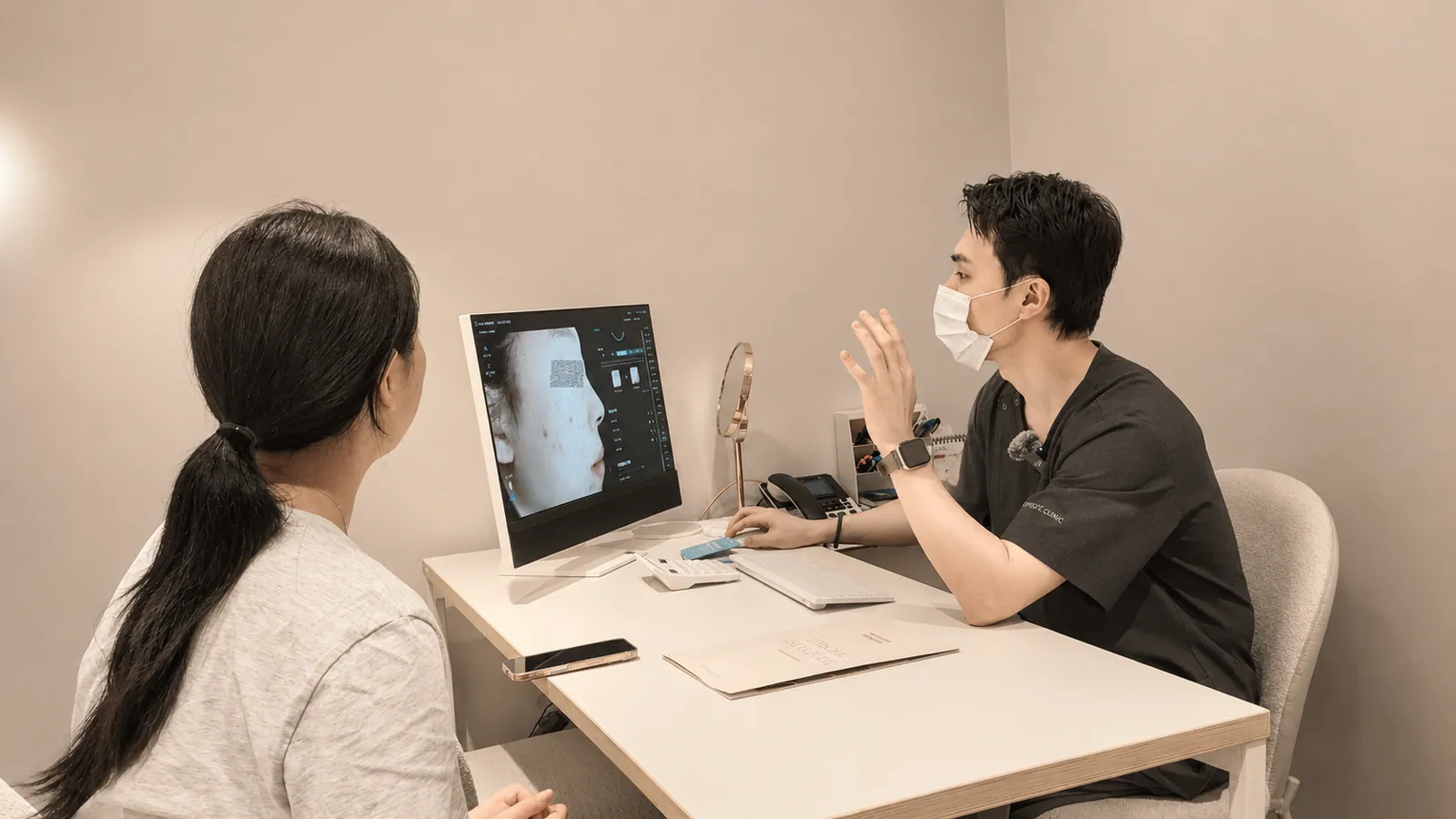
Before the treatment , through palpation and consultation, first distinguish whether the cause of the bulge is the masseter muscle or the salivary gland, and After checking the size of the salivary glands and the difference between the left and right sides, the injection volume and location are determined.
ANALYSIS02
Accurate product and capacity
I confirm it right before my eyes.
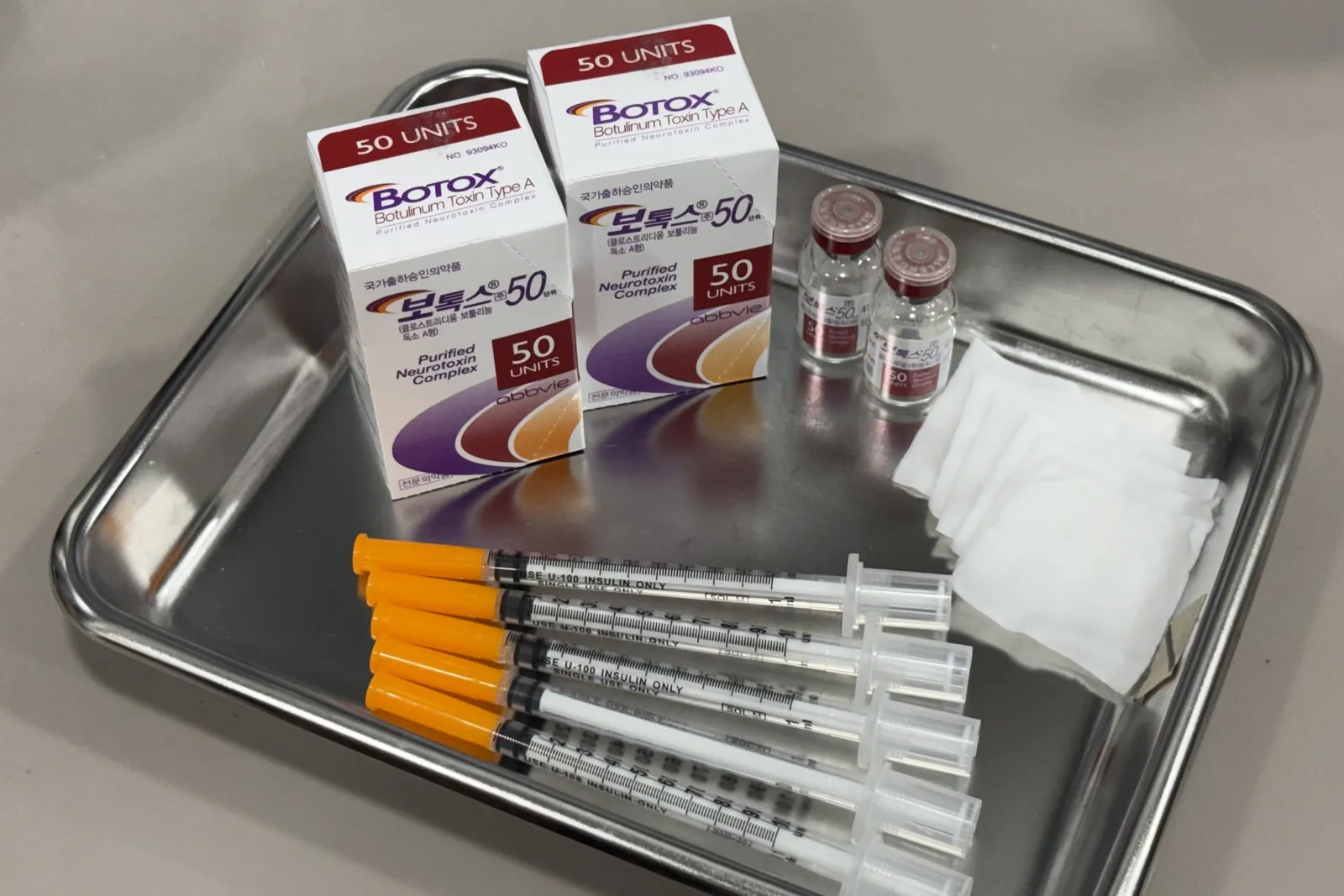
Before the treatment , we check the Botox product to be used together and prepare the medication, We will also let you know the capacity (unit) exactly as it is.
RELIABILITY03
If you keep a record
The changes are more visible.

treatment history, remaining treatment, and skin changes in an online report Leave behind changes before and after the treatment You can compare them directly.
RECORDSLoading treatment information.
Loading treatment information.