



Hello. I am Seo Min-ho , the representative Director of EPISODE CLINIC .
Part 2 of the acne series: I will tell you about acne prevention methods you can do at home .
Getting acne treatment at a hospital is the most effective method, but
If you do not do home care , it is only a half-effective acne treatment .
I will introduce acne prevention lifestyle habits that I personally share with patients receiving acne treatment at the hospital.
1. Wash your face
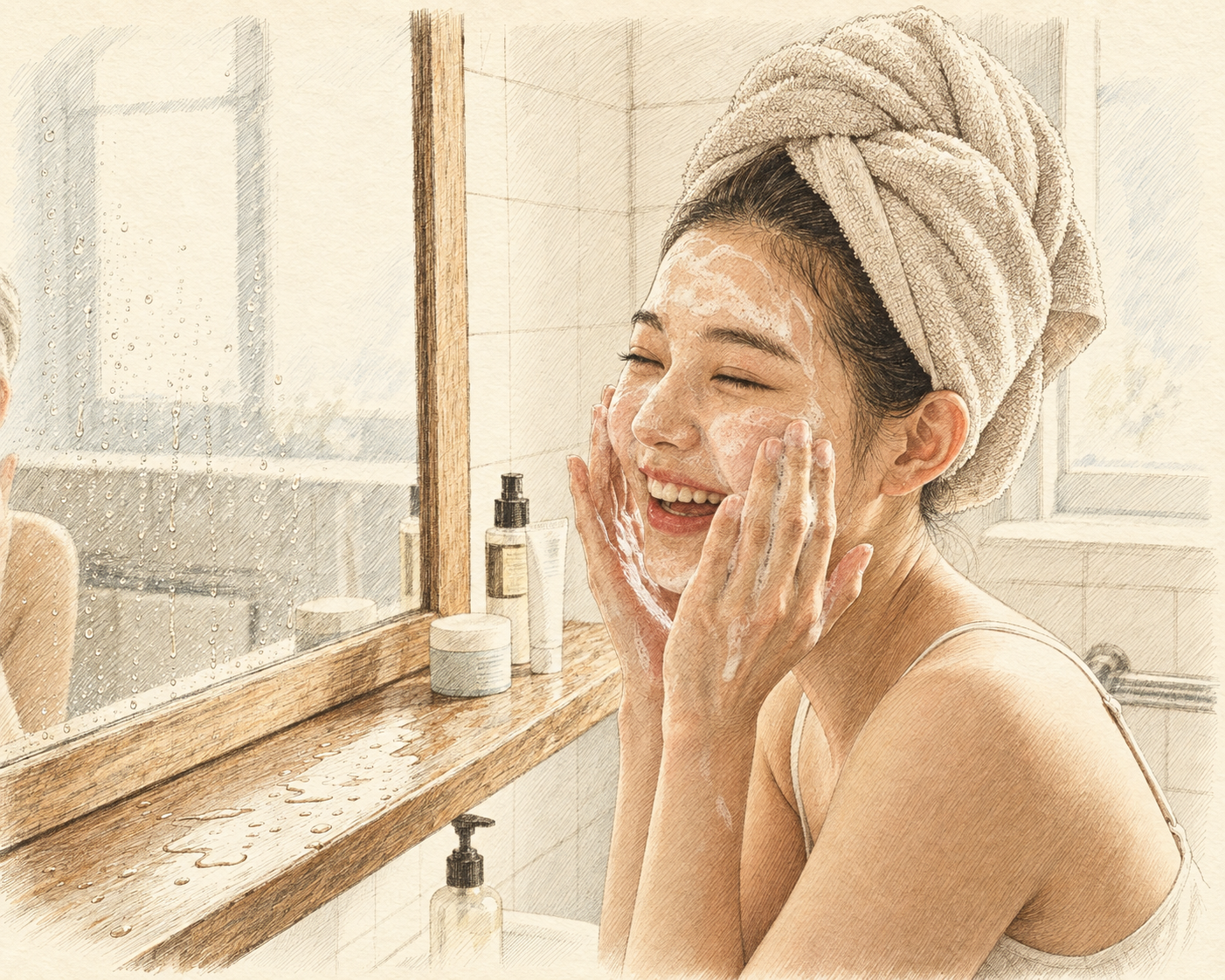 Everyone does home care as a basic routine these days, right!? Haha.
In the last post, I mentioned that acne occurs when dead skin cells block the pore opening and sebum becomes stagnant.
In that case, it is important to cleanse thoroughly so that dead skin cells do not clog the pores.
However, if you wash your face too often or too vigorously
On the contrary, skin irritation may increase and sebum secretion may increase.
The recommended facial cleansing method for acne-prone skin is as follows.
Face washing frequency: Twice a day (No more, no less, let's do it properly twice a day)
Cleansing product: Mildly acidic foam cleanser
Temperature: Use lukewarm water (do not use water that is too hot or cold)
Washing method: Rinse thoroughly with water after washing your face to ensure no residue remains.
See, it's not difficult, right? You just need to follow these four rules : wash twice, use mildly acidic lukewarm water, and rinse thoroughly .
Actually, if it's too complicated, it's harder to follow along at home, so I end up not doing it.
2. Do not touch acne with your hands
Acne... if I see it, I just want to squeeze it with my hands.
The mere sight of it is annoying.
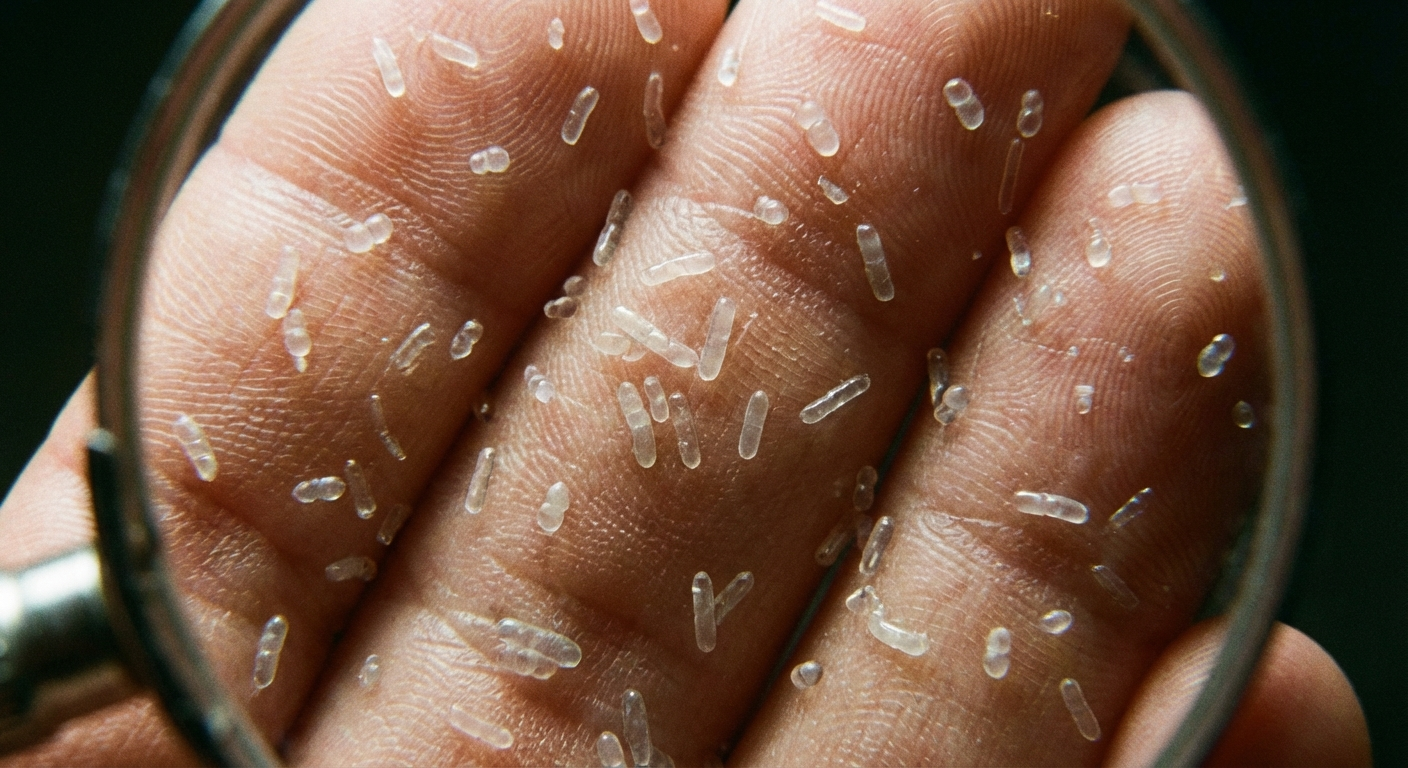 There are many invisible germs on the hands.
However, while squeezing a pimple with your hands may feel satisfying in the moment, there are various invisible bacteria on your hands.
If you touch the acne in this state, additional bacteria may enter the affected area, potentially worsening the inflammation.
If a scar forms like this, it actually requires much more cost and effort to remove it .
If you want to get rid of the acne you currently have immediately, in an environment equipped with a hygienic system
It is recommended to receive clean extraction treatment .
3. Cosmetics
Cosmetics is the question most people ask.
To start with the conclusion, absolutely do not use expensive cosmetics , and do not use oily cosmetics.
You just need to follow these two things.
In particular, an easy way to identify this is to choose 'noncomedogenic' cosmetics.
Non-comedogenic cosmetics refer to products designed to be less likely to clog pores and cause acne.
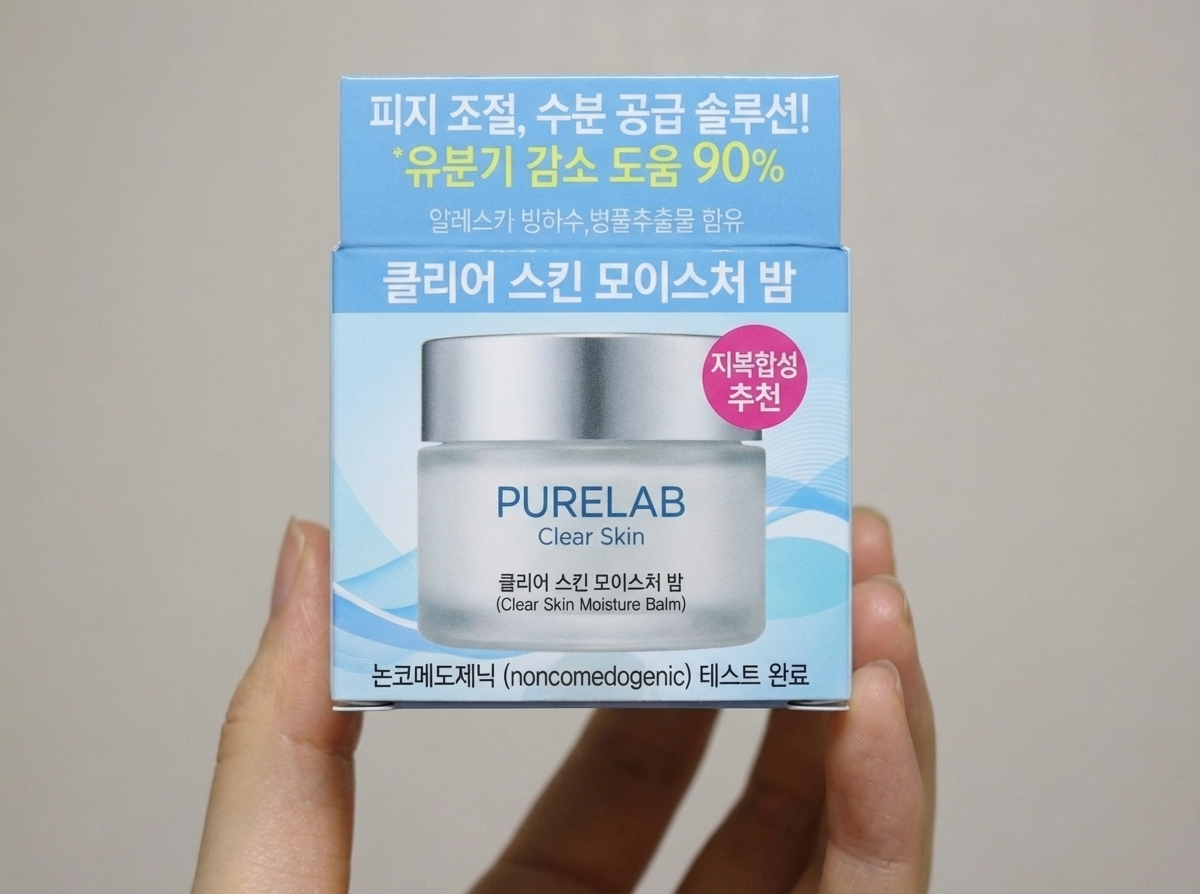 Products with "Non-comedogenic tested" written on the packaging
There is absolutely nothing good about expensive cosmetics.
If you delve into the cosmetics industry, the cost of the ingredients is less than 10% , and more than 70% is spent on marketing and distribution costs .
Buying expensive cosmetics is the same as paying the cosmetics company's model advertising fees on their behalf.
It is most important to check the ingredients of cosmetics before purchasing.
I will post a separate post regarding cosmetic recommendations.
Please just follow these rules: 1. There is no need to buy expensive products. 2. Buy non-comedogenic products.
4. Lifestyle Habits★★
In fact, these lifestyle habits are the most important. If the three things mentioned above were for managing existing sebum or acne...
Lifestyle habits regulate the underlying sebum secretion itself .
I will explain lifestyle habits by dividing them into three categories: sleep, food, and hygiene .
1) Sleep
...It is what modern people, including myself, lack the most yet need the most.
Explaining the mechanism in detail would be complicated, so I will just state the conclusion .
Sleep deprivation → Increased stress → Increased sebum secretion
Both lack of sleep and stress increase the secretion of stress hormones in our bodies.
Evolutionarily, because the skin is highly susceptible to damage in stressful situations, sebum secretion increases to strengthen the skin barrier .
It also speeds up wound healing when an injury occurs.
however
You can consider this a function that was necessary during the primitive era of hunting and gathering, and a defense mechanism that is unnecessary for modern humans but still remains.
If possible, it is recommended to maintain a regular sleep pattern to regulate hormone secretion .
2) Food★★★
The relationship between food and acne
You said it didn't exist before, so why is it different now?
This is one of the questions most frequently asked by acne patients.
Does food affect acne?
In fact, the medical answer to this question is
It has changed a little over time .
In the past, it was believed that "food and acne are unrelated."
In past Dermatology textbooks
There were many explanations stating that food and acne are not closely related.
In this perception
A study published in 1969 (Effect of chocolate on acne vulgaris) had a significant impact.
This study found that eating chocolate does not worsen acne, and
For a long time after that
Food has nothing to do with acne.
The perception that... has become widespread.
but
Recent research has changed this thinking a little.
Looking at recent studies
Results are emerging suggesting that there may be some connection between food and acne .
In particular, the following dietary habits
There are studies suggesting that it can worsen acne .
If you consume sugary foods (carbonated drinks, fruit juice, chocolate, cake, etc.)
→ Raises blood sugar quickly
→ Induces increased insulin, IGF-1, and androgen activity
→ Sebum secretion, increased keratinization in pores, inflammatory reaction
It induces.
Therefore, rather than unconditionally cutting out specific foods
Avoiding excessive consumption of sugary foods or sweet drinks
This is a realistic management method.
And clinically, among those who have recently been experiencing a lot of acne
I often took fitness supplements .
It got long as I was organizing the content.
I will explain this mechanism in more detail in the next post!
in other words,
past
Food and acne are unrelated.
today
Some dietary habits can worsen acne.
but
Food alone does not cause or cure acne.
There are individual differences.
3) Hygiene Management
Acne is not simply a skin problem
It is also heavily influenced by lifestyle habits and hygiene conditions .
More sebum and dead skin cells accumulate than expected on objects that come into contact with the skin, and bacteria also multiply easily.
Therefore, items that frequently come into contact with the skin
Keeping your skin clean also helps prevent acne .
What are some representative items?
(1) Pillow cover
Pillows contain a lot of sebum secreted especially while sleeping, dead skin cells shed from the face, and bacteria that inhabit them.
If your face keeps touching in this state
There are cases where acne worsens.
If possible, it is recommended to replace the pillowcase about once or twice a week .
(2) Mask
If you wear a mask for a long time, moisture accumulates, and bacteria can easily multiply in warm, humid places .
Therefore, it is recommended to replace your mask frequently if possible.
(3) Smartphone
This is a point that surprisingly many people miss.
There are more germs on smartphones than you might think. (It is said that if you don't wipe them often, they are dirtier than a toilet.)
When a smartphone touches your face while on a call
Bacteria can be transferred to the acne area .
Therefore, it is a good idea to wipe your smartphone regularly .
(4) Hair
When sebum in the hair and hair products come into contact with the facial skin
It is common to get acne on the forehead .
Especially when using hair wax or oil products
It is best to avoid letting it touch your forehead skin and to make sure to wash your hair thoroughly before going to sleep (this is related to the pillowcase...).
5. Summary
Home care for acne prevention is
Wash your face twice a day
Do not touch acne with your hands
Avoid cosmetics that clog pores
Lifestyle management (stress management), such as sleep, food, and hygiene management
If you just follow these four things well
You can significantly reduce the occurrence of acne.
The next post is about the correlation between fitness supplements and acne.
I will cover this in more detail.