


Jamber Thread
Jembersil
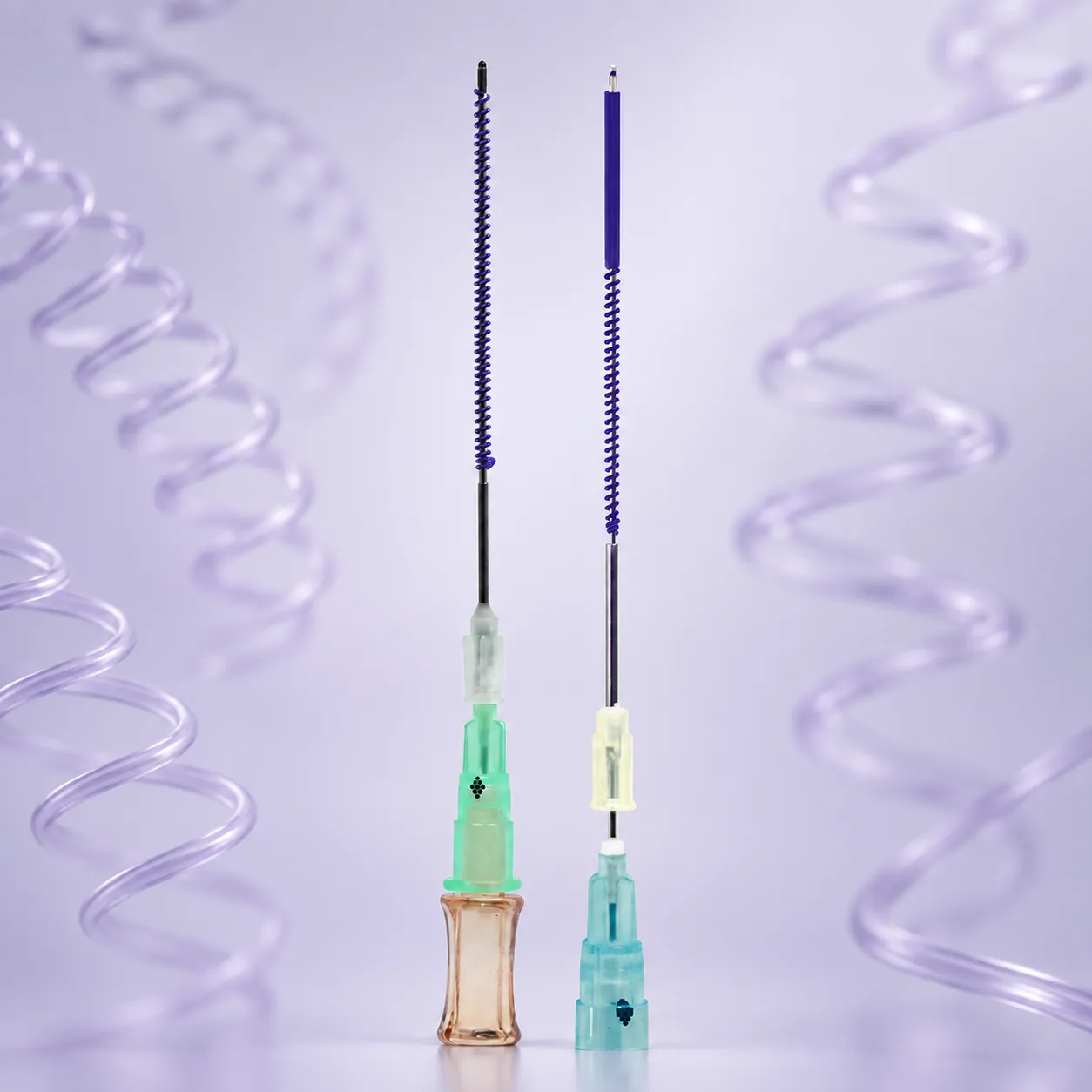
Thread that fills the sunken space
Jembersil
Jamber Thread
Jamber thread is a thread made by winding PDO thread into a spring shape. Its purpose differs from that of lifting threads that pull the skin, so, It is used to add volume to sunken areas. Over time, it breaks down and is absorbed into the body.
It is wound in a spring shape, so a single strand occupies a larger volume than straight thread. Mainly Under the eyes, side cheeks, nasolabial folds, marionette linesIt is used for.





The part that moves frequently according to facial expressions is
The filler may spread.
The lines under the eyes, nasolabial folds, and corners of the mouth move whenever you speak or smile.
The movement of the surrounding muscles continues even after the filler is injected.
Every time I speak and laugh
The surrounding muscles move.
Depending on muscle movement
The filler may shift.
If the filler spreads to the surrounding area
The volume of the area filled first
It may appear to decrease.
How It Works
The Jembersil is rebar,
Filler acts as cement.
Like rebar and cement
This method involves inserting the Jamber thread first and filling the gaps between the threads with filler. The threads act as supports, reducing the filler from shifting to the surroundings when making facial expressions.
After the thread is absorbed
PDO is a material also used in surgical sutures and gradually decomposes within the body. As the Jamber thread is absorbed over several months, collagen is produced in the surrounding area, and the newly formed tissue fills the space where the thread was located.
Why Jamber Thread
Even with the same spring thread
The insertion tool is different.
Caverns
thread inserted with a pointed needle
- Spring-shaped PDO thread
- Use a sharp-tipped needle
- Inserting while piercing the tissue
- Surrounding tissue may be damaged during the insertion process.
Jembersil
Thread inserted with a blunt-tipped cannula
- Spring-shaped PDO thread
- Use a cannula with a rounded tip.
- Insert while pushing the tissue
- Minimal damage to surrounding tissues during insertion
Caverns thread was first introduced using a pointed needle insertion method.
The Jamber thread is a product designed to insert the same spring-shaped thread through a cannula with a blunt end.
The Jamber seal has a blunt tip, so it causes less damage to surrounding tissues when inserted. As a result, there is less bruising and swelling.
Treatment Areas
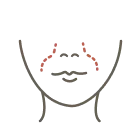
Jembersil treatment site

The color coding in the photo indicates the approximate location.
The actual insertion locations and number are determined based on the degree of retraction during the consultation.
Recommended For
I recommend this to people like this.
The area under my eyes is sunken
Someone who looks dark
The nasolabial folds and marionette lines
Deeply etched
Frequently moving when making facial expressions
I received fillers in that area, but
Someone who didn't last long
Without lifting
In the sunken area
For those who just want to fill up the volume
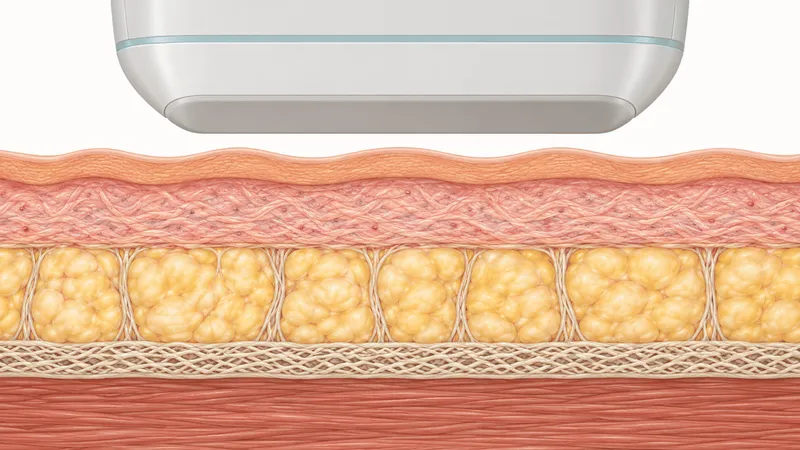
Doctor's Column
Procedure stories written personally by the director
This is a text written directly by the director who actually performs this procedure, detailing the principles and standards.
The Episode Difference
Why It's Different
EPISODE performs the Jambersil procedure as follows.
01
sunken and sagging areas
First, distinguish them.
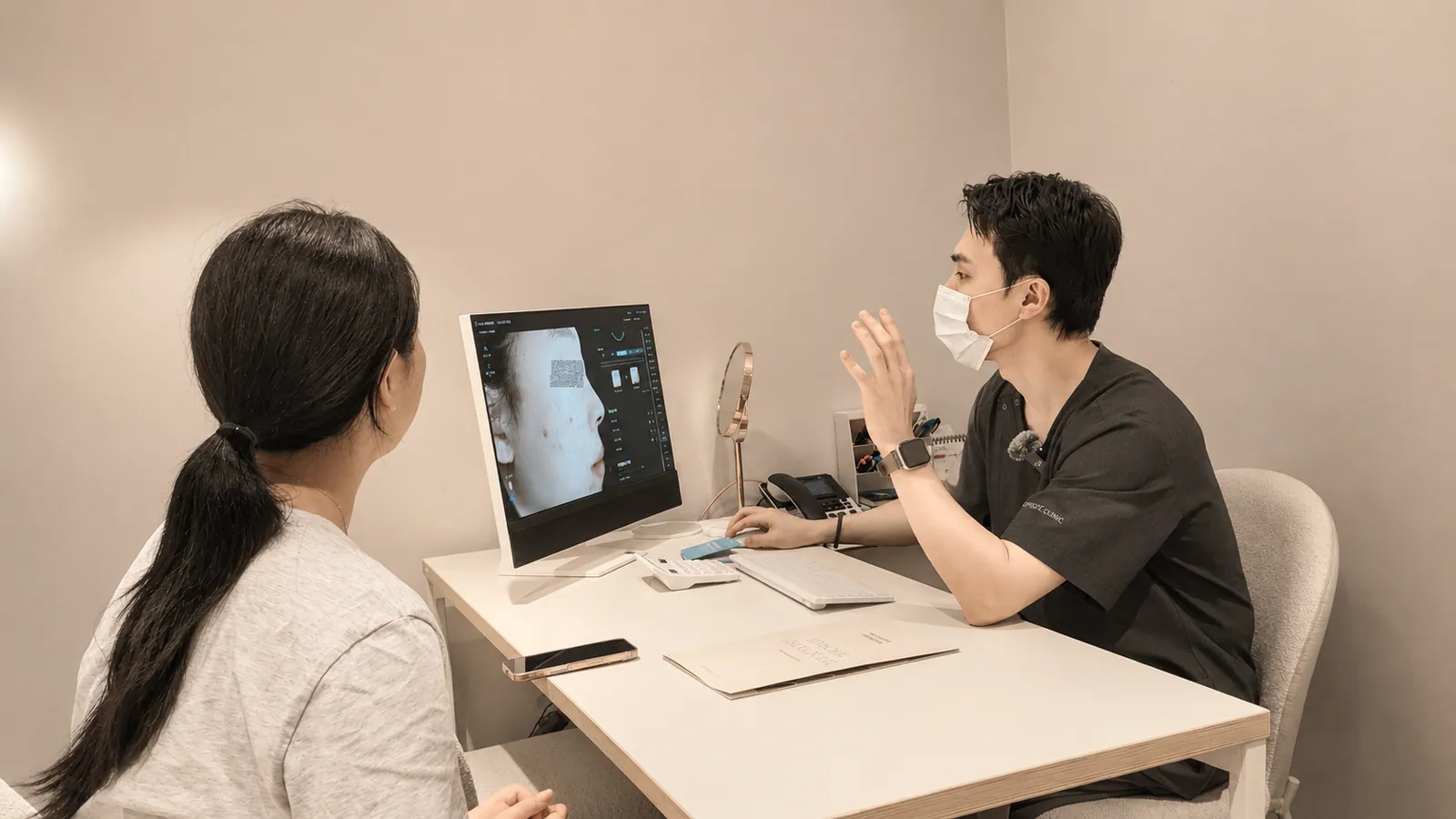
Nasolabial folds can form due to a loss of volume or deepen as the cheeks sag. After identifying the cause during the consultation, we determine whether to fill in the volume with Jamber threads or to lift the sagging areas using thread lifting.
ANALYSIS02
The position and direction for inserting the thread
Displays on the face.
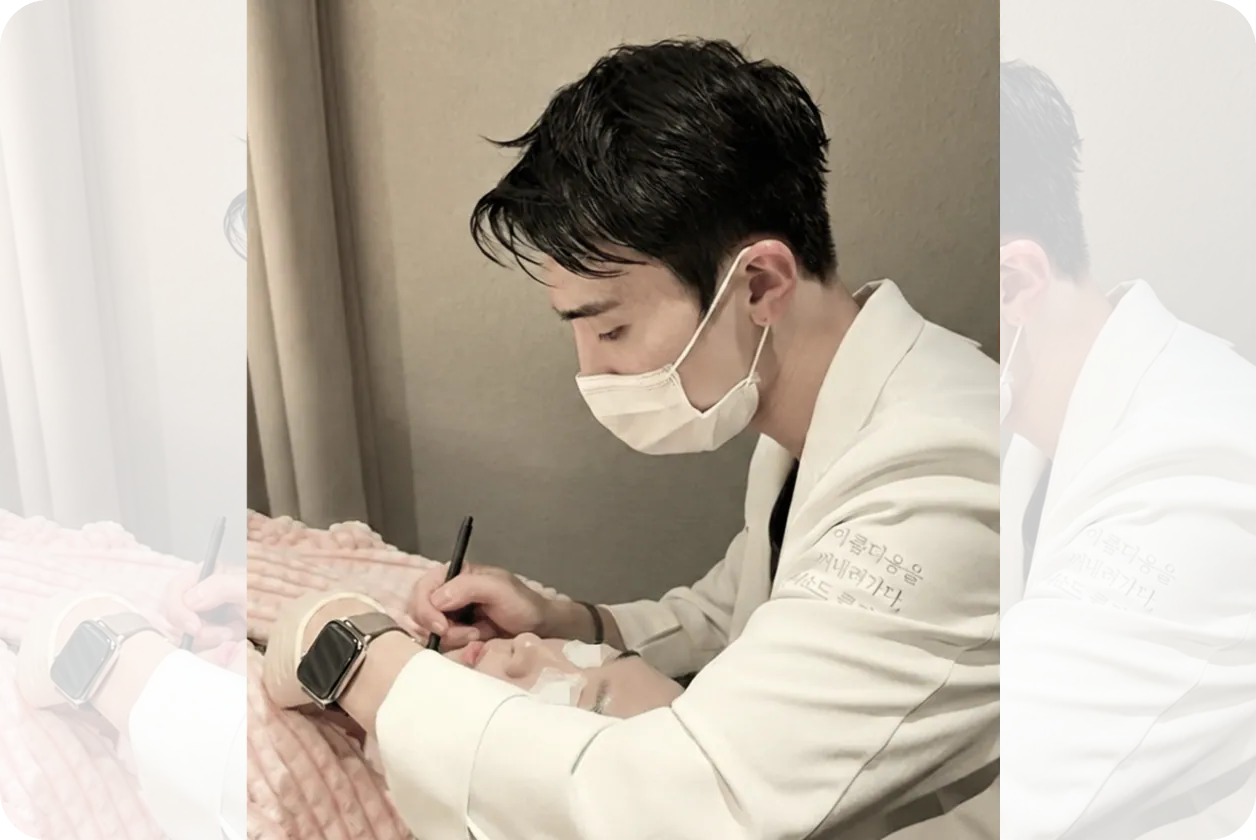
The degree and extent of hollowness vary by area. We determine this to decide the required number of threads and mark the insertion locations and directions on the face. If fillers are being administered concurrently, the injection sites are also determined in advance.
DESIGN03
Tailored to the treatment area and pain sensitivity
I will administer anesthesia.

Anesthetic cream, local anesthesia, pain-relieving IV fluids, and sedation may be used. The anesthesia method is determined after checking the procedure site and the patient's usual pain level.
EXPERIENCE04
Procedure records
It will be used for the next medical consultation.

We provide an online report detailing your treatment history, remaining sessions, and skin changes. During your next visit, review your previous records and compare the changes you have made since the procedure.
RECORDSCare Process
Jembersil Procedure

01
Anesthesia process

02
Treatment area design

03
Procedure

04
finish

05
homecoming

06
Provision of procedure report
Some processes will be changed for the promotional procedure.
Notice
Post-procedure precautions
Do not press or rub the treatment area on the day of the procedure. Applying pressure before the threads are in place may cause them to shift.
Please avoid saunas, steam rooms, massages, and harsh skin treatments for 2-3 days after the procedure.
Major swelling subsides in about a week, while residual swelling may persist for up to two to three weeks. You may be able to feel the threads when pressing on the procedure site, but this will gradually decrease as the threads are absorbed.
Please avoid drinking alcohol and strenuous exercise for 24 hours after the procedure. Swelling and bruising may worsen.
For a few days after the procedure, please avoid sleeping on your stomach or sleeping with one side of your face pressed against a pillow.
You can check the volume and shape about 2 to 4 weeks after the procedure once the swelling subsides. Before then, it may appear more filled than it actually is due to the swelling.
Please inform us in advance if you plan to receive a heat-based procedure, such as radio frequency or ultrasound, on the same area. We will check the interval between procedures and adjust the schedule.