


Dooth Thread
Dussil
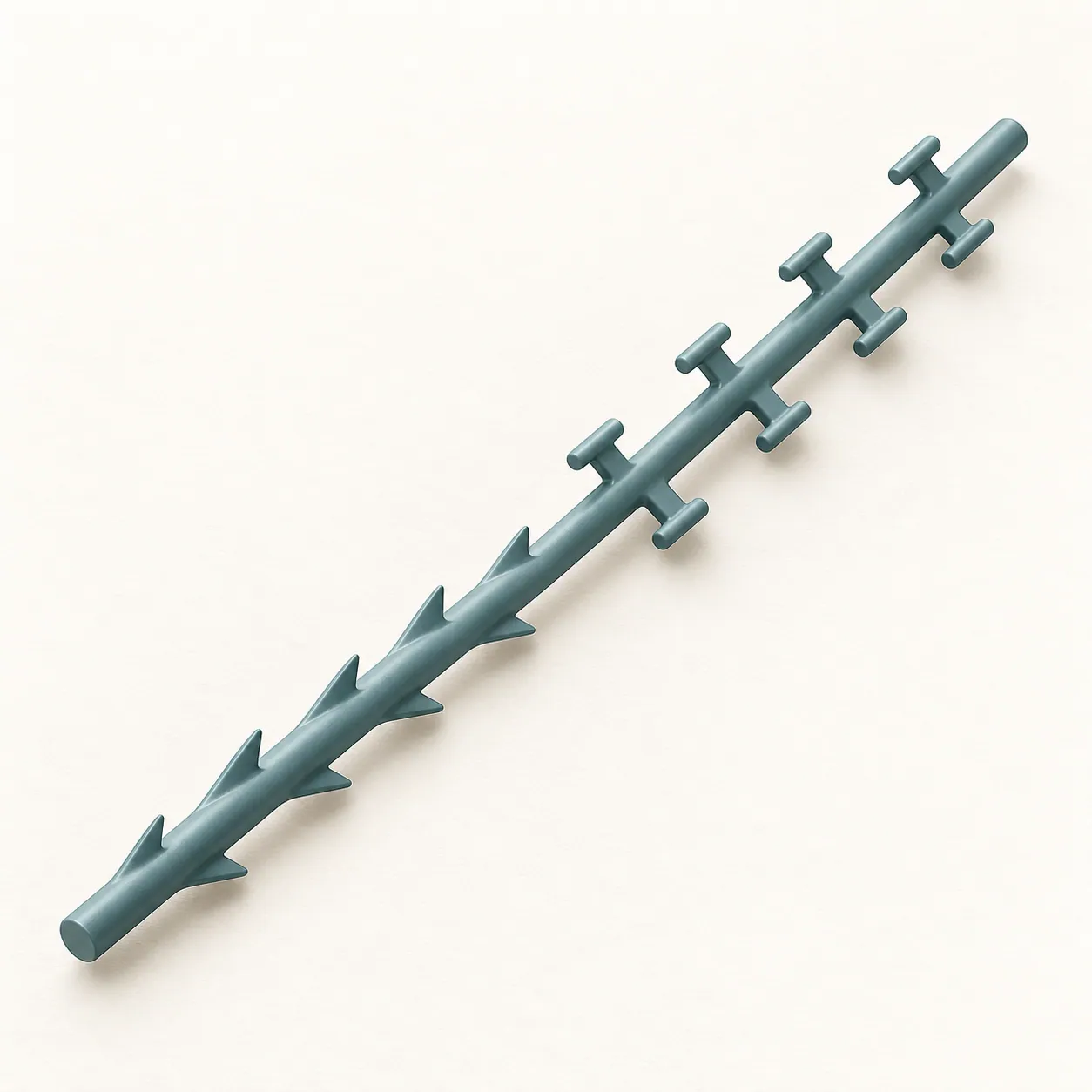
A thread that holds tissue with T-shaped protrusions
Dussil
Dooth Thread
Doossil is a dissolvable thread with T-shaped protrusions. Tissue is caught on both sides of the protrusions. It lifts sagging skin and holds it in place to maintain the tightened position.
The protrusions on the front and back have different shapes, allowing for secure fastening without the need for a separate tie. Mainly nasolabial folds and wrinkles around the mouthIt is used for.





Holds the pulled tissue
The protrusions are important.
Even after the treatment , the skin and fat are affected by gravity and move whenever you make a facial expression.
If the thread does not hold the tissue sufficiently, it is difficult to maintain the pulled position.
Skin and fat
It sags downward due to gravity.
If the protrusion misses the tissue
The pulled area may come back down.
When securing by tying a thread
The tied area may appear indented.
How It Works
The pointed projection at the front and the T-shaped projection at the back
Holds the organization
Protrusions that differ on the front and back
At the front, a pointed projection catches on the tissue, while at the back, the tissue catches on both sides of a T-shaped projection. The two types of projections grip the tissue and fix it without tying the thread.
Collagen produced during the absorption process
Doossil gradually breaks down and is absorbed into the body over time. During this process, collagen is generated around the thread.
Why Dooth Thread
The shape of the protrusions and the method of fixing
There is a difference.
General cog thread
thread with thorn-shaped protrusions
- threads absorbed by the body
- Spiny protrusions get caught in tissue
- The shape and direction of the protrusions vary depending on the product.
- Some products are secured by tying a thread.
Dussil
Thread with different protrusion shapes on the front and back
- threads absorbed by the body
- The front is a pointed protrusion
- The back is a T-shaped protrusion
- Secure without tying the thread
Cog threads are threads with barbs on their surface that hook into tissue to pull up sagging areas.
Depending on the product, it may be secured by tying a thread, and in this case, the tied area may appear indented.
Doosil grips tissue with protrusions that differ in shape on the front and back, securing it without the need for a separate knot.
Target Areas
Dussil treatment site
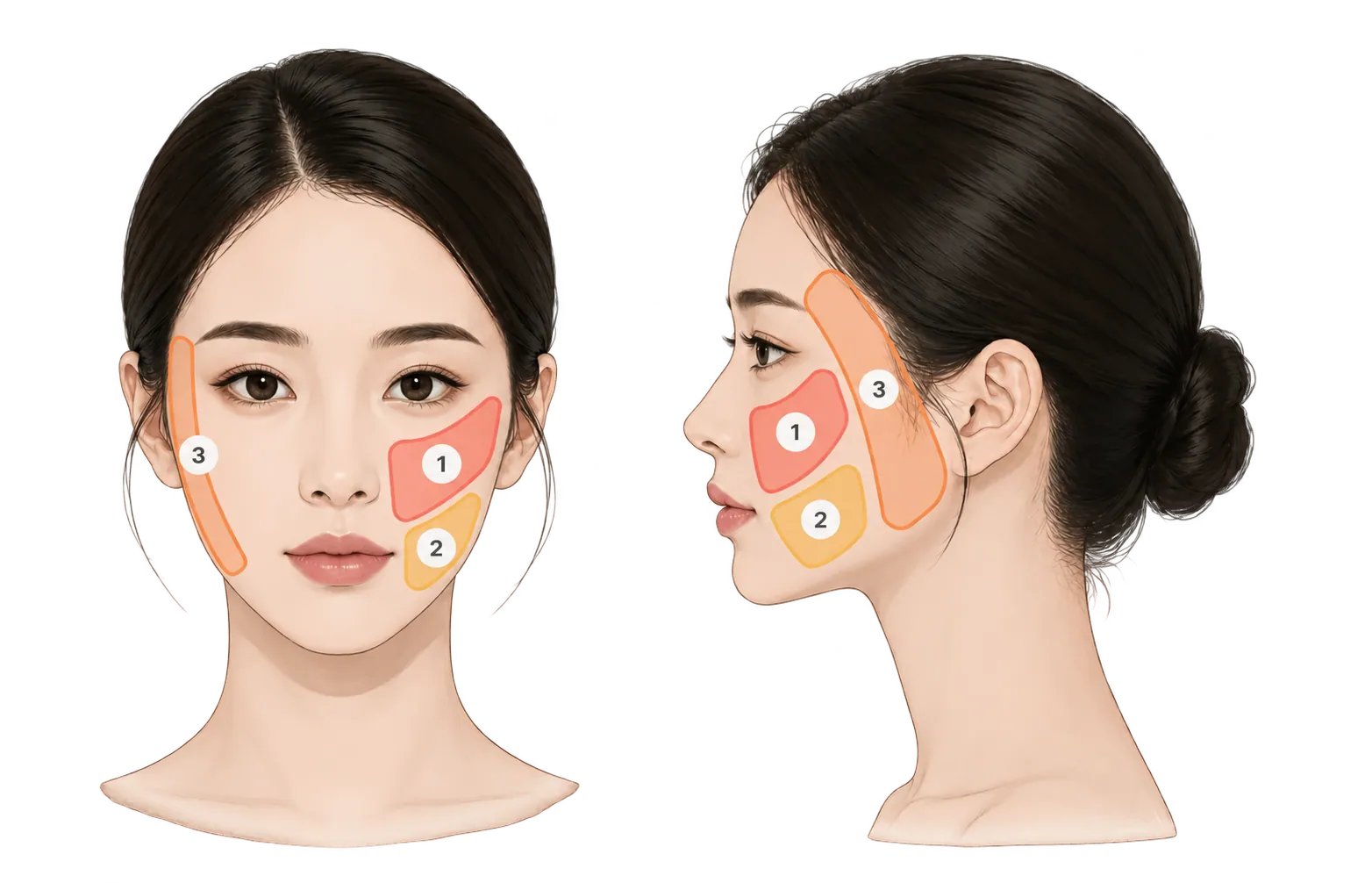
The numbers in the photos indicate the approximate location of the treatment area.
The placement and number of threads are determined during the consultation after assessing the degree of sagging.
Recommended For
I recommend this to people like this.
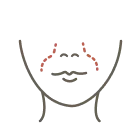
As the cheeks sag
Those with deepened nasolabial folds
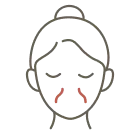
The skin around the mouth is sagging
People whose mouth corners look down
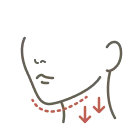
The jawline is blurred
The lower part of the face
Someone who looks heavy

Without incision
sagging cheeks and jawline
Those who want to lift
The Episode Difference
Why It's Different
This is the procedure for the Doussil treatment in the EPISODE .
01
sunken and sagging areas
Distinguishes.
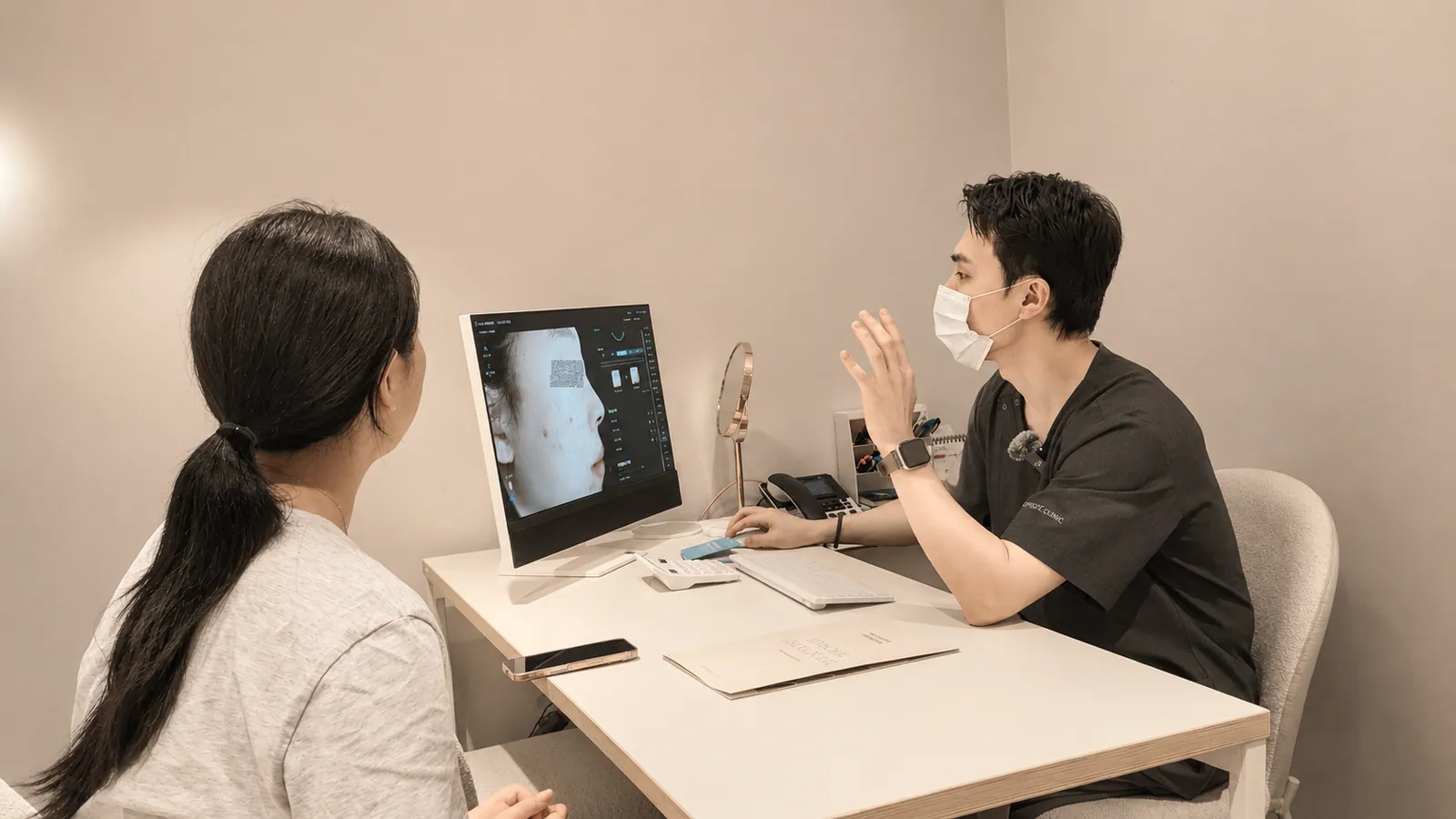
nasolabial folds can deepen as the cheeks sag or lose volume. We identify the cause during the consultation and determine whether a treatment using threads for treatment or volume filling is necessary.
ANALYSIS02
The position to insert the thread and the direction to pull
Displays.
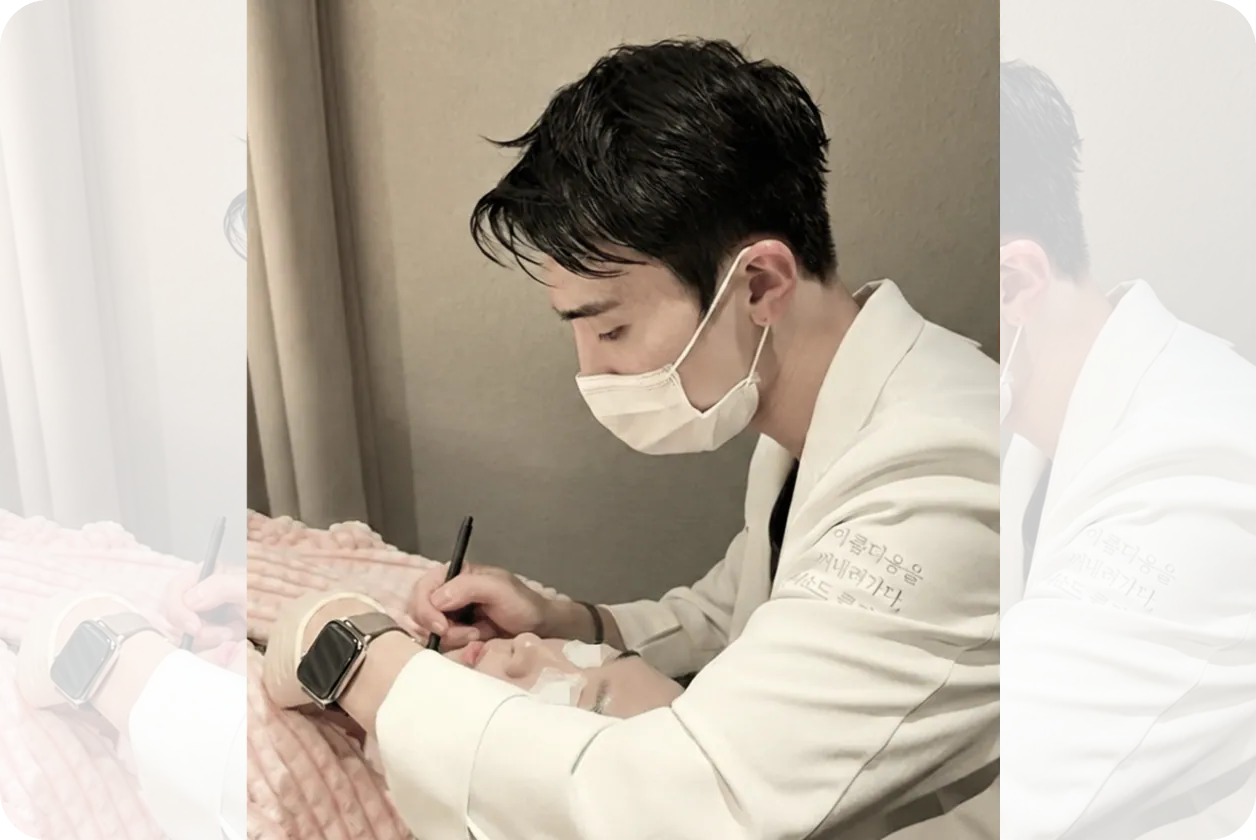
The degree of sagging in the cheeks and jawline may differ between the two sides. Check each side separately to determine the number of threads needed, and mark the insertion points and pulling direction on the face.
DESIGN03
Sensitivity to the treatment site and pain
Consider anesthesia.

Anesthetic cream, local anesthesia, pain relief IV drip, and sedation anesthesia can be used. We determine the anesthesia method by checking the treatment site and the patient's usual pain sensitivity.
EXPERIENCE04
previous treatment records
We will confirm at the next appointment.

We provide an online report on treatment history, remaining treatment , and skin changes. At the next visit, we will review this record together to check how things have changed since the treatment .
RECORDSCare Process
Dussil treatment sequence

01
Anesthesia process

02
treatment area design

03
treatment

04
finish

05
homecoming

06
Provision of treatment report
Notice
Post- treatment precautions
Do not press or rub the treatment area on the day of the treatment . If pressure is applied before the threads are in place, the position of the pulled tissue may change.
For about two weeks after the treatment , please reduce the frequency of opening your mouth wide and avoid hard or chewy foods. Please inform us in advance if you have any dental treatment scheduled.
Please avoid saunas, steam rooms, massages, and harsh skin treatments for 2–3 days after the treatment .
Major swelling subsides in about a week, but minor swelling may persist for up to two to three weeks. The pulling sensation or awkwardness when making facial expressions also gradually decreases during this period.
Please avoid drinking alcohol and strenuous exercise for 24 hours after the treatment . Swelling and bruising may worsen.
For a few days after the treatment , please avoid sleeping on your stomach or with one side of your face pressed against a pillow.
Please inform us in advance if you have a treatment scheduled on the same area that uses heat, such as radio frequency or ultrasound. We will adjust the treatment after confirming the necessary interval.